

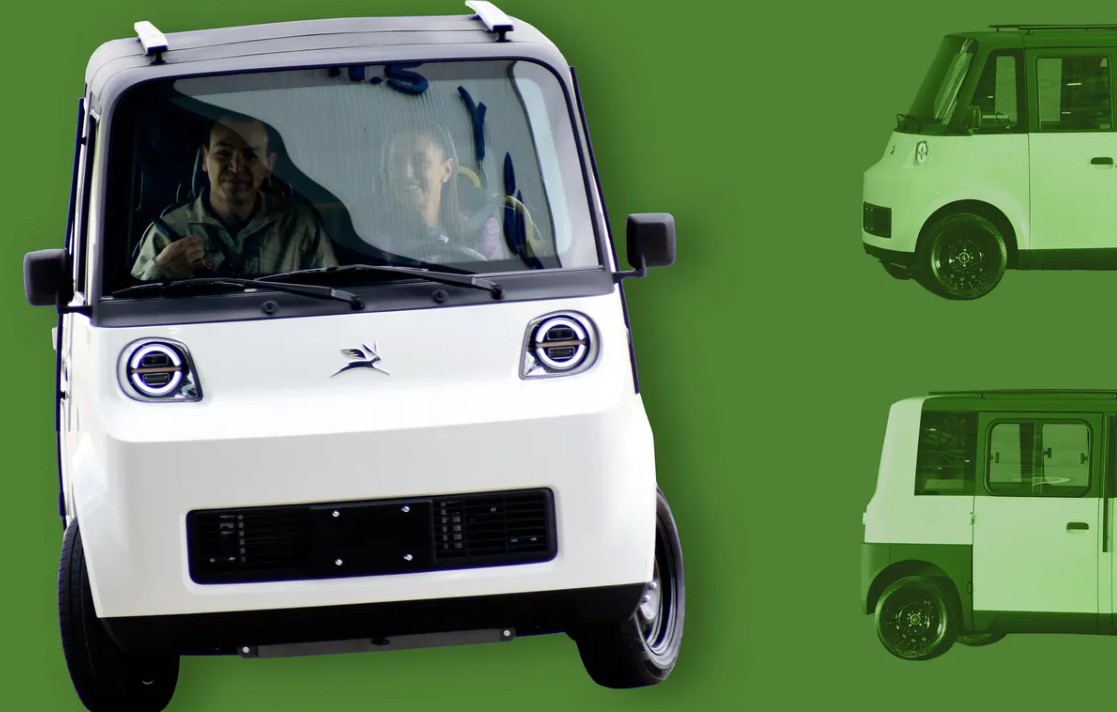
Mexico is entering the electric vehicle market with Olinia, a government-backed initiative designed to produce affordable electric cars tailored to the country’s urban transportation needs. Rather than competing directly with global automakers in the premium EV segment, Olinia focuses on practical, low-cost vehicles that can replace motorcycles, aging compact cars, and small commercial vehicles used in cities. The project is part of a broader effort to establish a domestic EV industry while making electric mobility accessible to a larger share of the population, tells IEEE Spectrum.
The first prototype, Olinia 1, is expected to sell for about U.S.$8,500, making it one of the least expensive electric cars under development. Engineers selected lithium iron phosphate batteries because they offer lower costs, longer service life, and improved thermal safety compared with many other lithium-ion chemistries. Although the batteries provide less energy density, the tradeoff is acceptable for vehicles intended for short urban trips rather than long-distance travel.
Olinia plans to introduce three vehicle types: a two-seat personal vehicle, a four-seat neighborhood car, and a last-mile delivery van. By focusing on compact designs, the project seeks to reduce manufacturing costs while addressing the transportation demands of crowded cities. The initiative also emphasizes local production, encouraging Mexican suppliers and manufacturers to participate in the EV supply chain instead of relying heavily on imported components.
Despite its ambitious goals, Olinia faces significant challenges. Building a competitive automotive brand requires reliable manufacturing, supplier networks, charging infrastructure, and consumer confidence. The project must also compete with established global automakers and a growing number of inexpensive Chinese EVs.
Even so, Olinia represents more than a new electric car. It is an industrial strategy that uses affordable engineering, local manufacturing, and targeted vehicle design to strengthen Mexico’s position in the global transition to electric transportation while addressing the specific mobility needs of its own citizens.
