

Motif has introduced its application programming interface (API), giving architecture, engineering, and construction (AEC) firms greater control over their building data, design workflows, and AI applications. The API allows developers to access and modify project information directly, reducing dependence on proprietary software environments.
Launched in September 2026, Motif Design initially supported data exchange through file imports and connectors. The new API extends these capabilities by allowing firms to connect applications, scripts, and AI agents directly to the platform’s underlying services.
Developers can securely authenticate, read and modify project data, create building elements, and attach custom information to existing components. These capabilities support integration with structural analysis, environmental performance, cost estimation, and embodied carbon assessment tools.
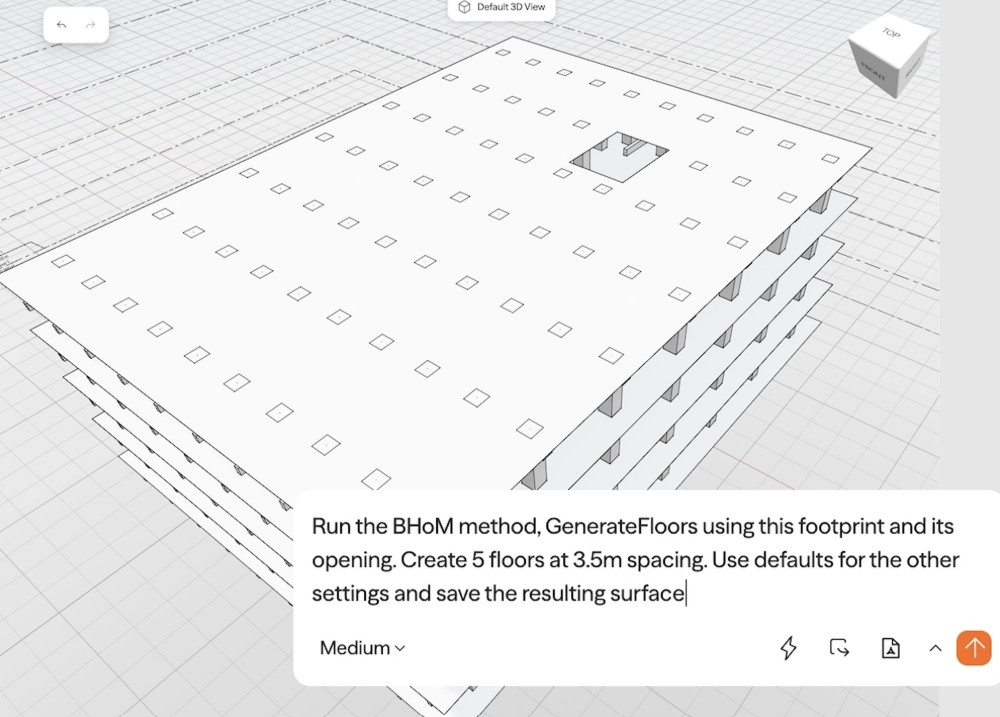
Engineering consultancy Buro Happold demonstrates the platform’s potential through its integration of the open-source Buildings and Habitats Object Model (BHoM). The framework contains more than 1,200 object models and connects with over 30 applications.
Working with Motif, Buro Happold integrated its engineering data structures into a shared, browser-based environment without converting them into Motif’s native schema. This approach preserves engineering information while supporting collaboration across disciplines.
Technically, Motif uses an entity-component data architecture that allows developers to extend existing models and introduce custom object types. Its shared infrastructure combines parametric modeling, AI agents, and concurrent editing.
The platform also supports simultaneous modifications by users, applications, and AI agents through optimistic locking. An immutable model history records changes, improving traceability and accountability.
Motif uses REST APIs for projects, models, and users, while gRPC handles model entities and components.
A formal software development kit is planned for early 2027. Motif ultimately aims to help AEC firms develop AI agents that apply their own standards, engineering knowledge, and workflows while retaining ownership of project data.
