

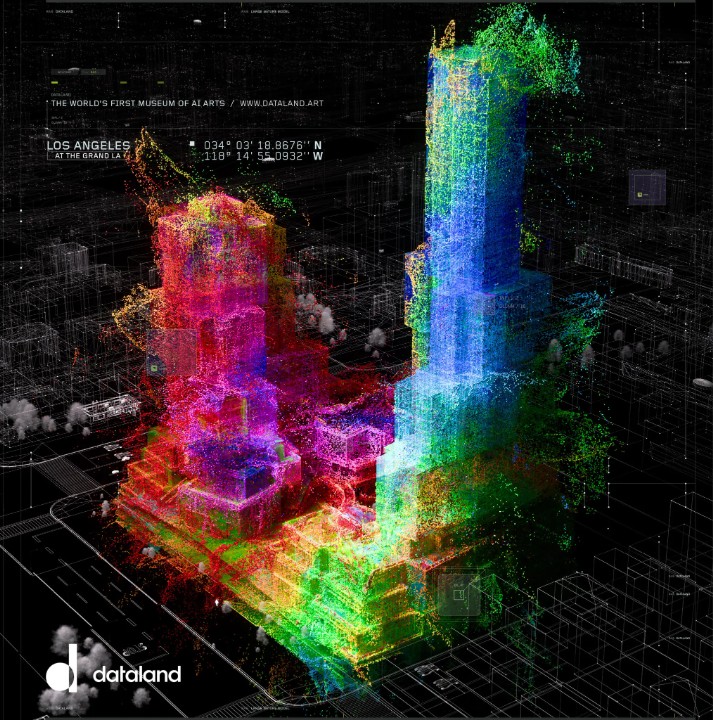
This New York Times article explores how major art institutions are grappling with the arrival of generative artificial intelligence in the realm of art. With algorithms now able to generate images, animations and immersive experiences, museums must decide whether to embrace AI-created work, reject it, or redefine their role entirely. While technology offers opportunities for novel forms of experimentation and audience interaction, it also raises profound questions: What does authorship mean when a machine assists or produces a work? How do institutions maintain trust and value when creation is partially automated?
One key tension lies in how archives, collections, and curatorial methods respond. Traditionally, museums display hand-made, historically indexed works; AI-driven art disrupts that model. Some institutions are experimenting with algorithmic commissions and interactive installations that respond to visitors in real time. Meanwhile, curators are confronted with the challenge of preserving and contextualizing works whose generation process differs fundamentally from conventional art. The article highlights that the real challenge may not be mastering the tech, but adapting the institution’s mission and systems to this shift.
Further complicating matters are issues around data, bias, and provenance: AI systems rely on vast training sets, often drawn from existing art archives. This raises concerns about intellectual property, cultural appropriation and replication of style over substance. Museums must address these ethical dimensions if they are to legitimately include AI-based art in their programing.
Finally, the article suggests that this transition offers a chance for museums to reconsider their societal role. Instead of merely preserving the past, they might become platforms where human + machine creativity is explored, where visitors witness not only the finished piece but the generative process behind it. In this way, the rise of AI in art can catalyze institutions to evolve in purpose.
