

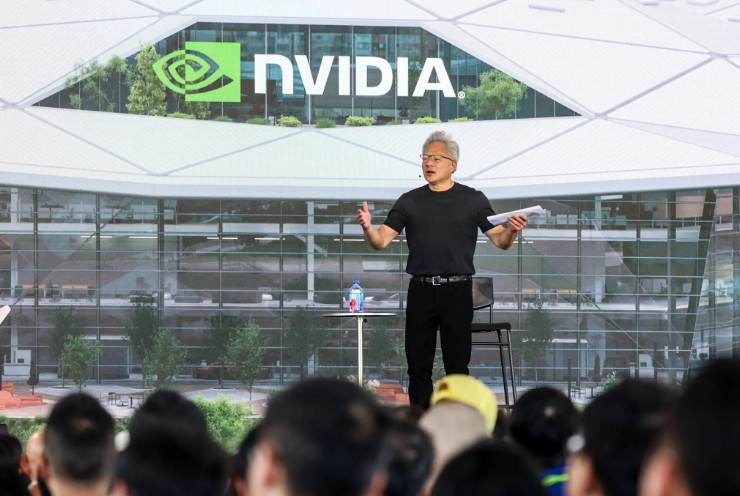
Nvidia is extending its artificial intelligence ambitions beyond data centers with the introduction of RTX Spark, a new chip designed for laptops and desktop computers. The chip will power systems from major manufacturers including Dell, HP, Lenovo, and Microsoft, enabling users to run AI applications directly on their devices. These local AI systems are intended to improve privacy, security, and responsiveness by processing information without relying heavily on cloud infrastructure, tells The New York Times (full article available to subscribers).
The announcement reflects Nvidia’s belief that AI-powered personal computers are approaching a turning point. As AI agents become more capable of carrying out tasks autonomously, Nvidia is working with Microsoft and hardware partners to allow these assistants to operate computers much like human users, navigating applications through virtual mouse and keyboard interactions. The company sees this as a key step toward making AI an everyday computing companion.
Nvidia’s expansion into PCs also highlights shifting dynamics in the computer industry. Advances in Windows compatibility with chips from companies other than Intel have opened opportunities for new entrants. Nvidia aims to attract AI developers, gamers, and graphics professionals, markets that currently favor high-performance systems such as Apple’s MacBook Pro and Mac Mini. While analysts believe the PC segment is unlikely to become a major revenue driver compared with Nvidia’s data center business, it could strengthen the company’s influence among software developers and AI innovators.
Beyond personal computing, Nvidia unveiled a collaboration with Chinese robotics company Unitree Robotics to develop a humanoid research robot powered by Nvidia hardware and AI software. The company also introduced new tools for designing and managing data centers, allowing operators to simulate construction, cooling, and power distribution before facilities are built. These capabilities are increasingly important as technology companies commit massive investments to AI infrastructure while facing energy constraints and community concerns. Together, the announcements demonstrate Nvidia’s strategy to embed AI across personal devices, robotics, and large-scale computing systems.
