

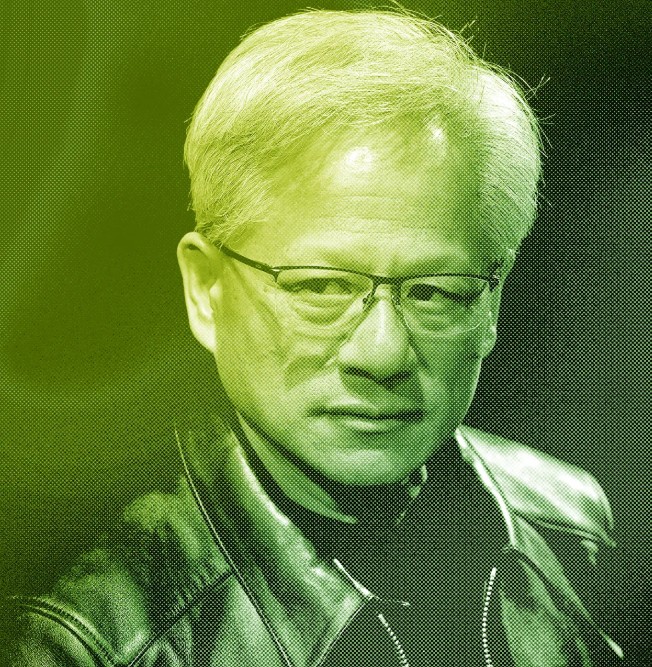
The Wired.com article (full article available to subscribers) examines Nvidia’s launch of the Open Secure AI Alliance, a new initiative that brings together technology companies including Microsoft, IBM, Cisco, Adobe, Palantir, SpaceX, and the Linux Foundation to develop open AI tools for cybersecurity. The most striking aspect of the alliance is not who joined, but who did not. OpenAI and Anthropic, two of the leading developers of frontier AI models, are absent, highlighting the widening divide between advocates of open AI and companies committed to proprietary systems.
The alliance argues that cybersecurity increasingly depends on transparent, open technologies that security teams can inspect, modify, and deploy themselves. Its supporters believe open AI enables faster vulnerability detection, broader collaboration, and stronger defenses against AI-powered cyberattacks. Rather than concentrating security capabilities within a handful of companies, the group hopes to build shared tools that can evolve through community contributions.
OpenAI and Anthropic have taken a different approach, emphasizing the safety benefits of keeping their most advanced models closed. They argue that unrestricted access to powerful AI models could make it easier for malicious actors to exploit them for cyberattacks or other harmful purposes. Their absence reflects a broader philosophical disagreement over whether openness improves security through transparency or increases risks by lowering barriers to misuse.
The article also places the alliance within a larger geopolitical and commercial context. As open-weight AI models from China gain momentum, Nvidia and its partners view open ecosystems as a way to accelerate innovation and maintain competitiveness. Infrastructure companies that sell chips, cloud services, and software generally benefit from broader AI adoption, while companies that monetize proprietary models have stronger incentives to protect their intellectual property.
The article concludes that the formation of the Open Secure AI Alliance marks a significant moment in the AI industry. Beyond cybersecurity, it reflects an intensifying debate over the future of artificial intelligence, where openness, safety, competition, and commercial interests are becoming increasingly intertwined.
