

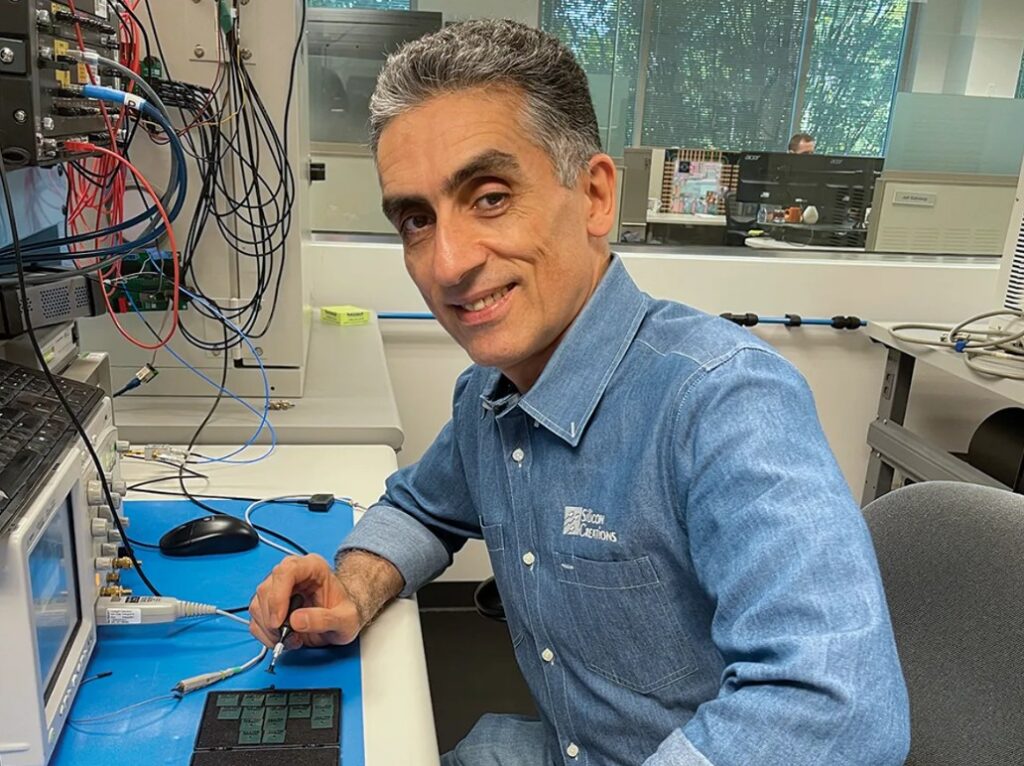
The IEEE Spectrum article follows the career of Maysam Ghovanloo, an electrical engineer whose work spans both academia and industry, using his experiences to explore a widening gap between university chip-design education and the realities of modern semiconductor development. Through his perspective, the article examines how rising costs, increasingly sophisticated tools, and rapidly evolving manufacturing processes are making it harder for academic programs to keep pace with industry needs.
Ghovanloo’s interest in integrated circuits began in Iran, where he developed a passion for electronics despite limited resources. After pursuing advanced studies and building a career in the United States, he became known for designing specialized chips for biomedical devices, including systems intended to help people with disabilities interact with computers and other technologies. His research required combining innovation with practical engineering constraints, giving him firsthand insight into both academic experimentation and commercial product development.
Throughout his career, Ghovanloo has witnessed dramatic changes in semiconductor design. Earlier generations of students could design meaningful chips with relatively modest resources and gain hands-on experience throughout the process. Today, leading-edge chip development depends on expensive electronic design automation software, advanced fabrication technologies, and extensive intellectual property libraries. These requirements place many aspects of commercial chip design beyond the reach of most universities.
The article argues that this growing divide affects education as much as technology. Students often learn fundamental design principles but may have limited exposure to the tools, workflows, and multidisciplinary collaboration required in industry. Ghovanloo believes this disconnect can make the transition from classroom to professional engineering more difficult and may ultimately affect the semiconductor talent pipeline.
Despite these challenges, he remains optimistic about the role universities can play in fostering innovation. The article highlights efforts to strengthen ties between academia and industry through partnerships, shared resources, and new educational initiatives. Ghovanloo’s story illustrates both the opportunities and obstacles facing semiconductor education, while underscoring the importance of ensuring that future engineers can contribute effectively to one of the world’s most strategically important industries.
