

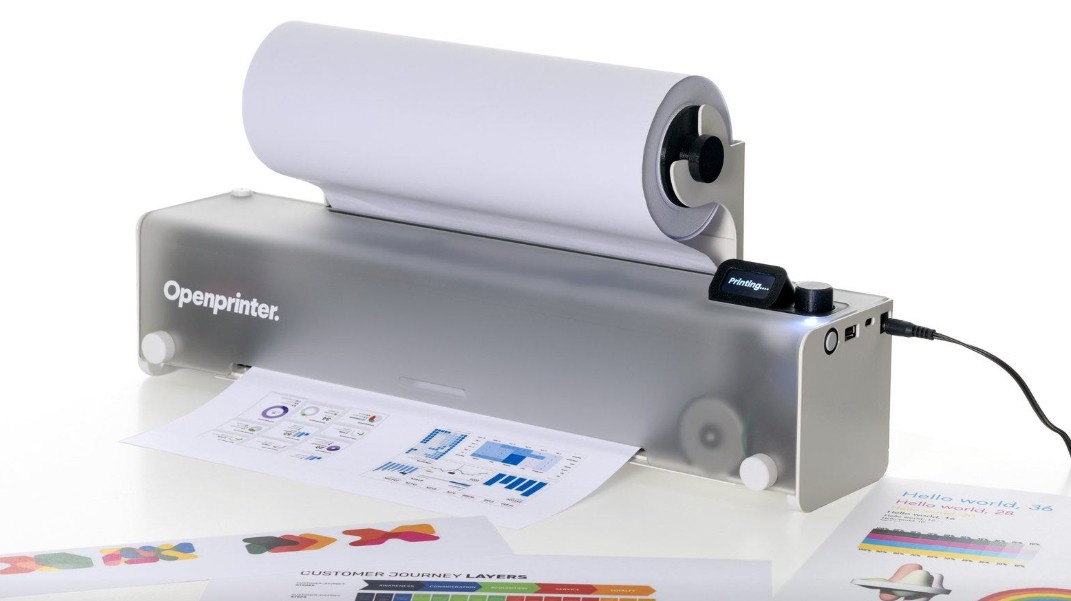
Inkjet printers may have a poor reputation among consumers, but their underlying engineering remains remarkably sophisticated. A Hardware FYI article examines the technology behind inexpensive inkjet printers and highlights Open Printer, an open-source project attempting to challenge the industry’s long-standing reliance on proprietary consumables.
Consumer printers are often sold at low prices because manufacturers can recover their margins through vendor-specific ink cartridges and other consumables. This closed ecosystem contributes to user frustration, but it also obscures the impressive engineering packed into machines that can cost less than $100.
At the heart of an inkjet printer is the challenge of precisely controlling extraordinarily small droplets at high speed. Hardware FYI describes two common approaches. Thermal inkjet systems use heaters to create bubbles that force ink through microscopic nozzles. Piezoelectric printheads instead apply voltage to tiny elements that deform and eject droplets. These operations can occur more than 10,000 times per second, with individual droplets measuring around a trillionth of a liter.
Despite this technical sophistication, the low retail price of established printers creates a difficult market for new competitors. Open Printer is taking on that challenge with an open-source inkjet design built around refillable cartridges. By opening the hardware and moving away from proprietary consumables, the project offers an alternative to the conventional printer business model.
The article also points engineers toward resources covering adhesive selection, BLDC motor power-source sizing, additive manufacturing of eyeglass lenses, and cost engineering. Together, these examples emphasize a broader theme: mature products and manufacturing processes still contain opportunities for engineers to reconsider established design assumptions, reduce waste, improve accessibility, and develop alternative approaches to hardware production.
