

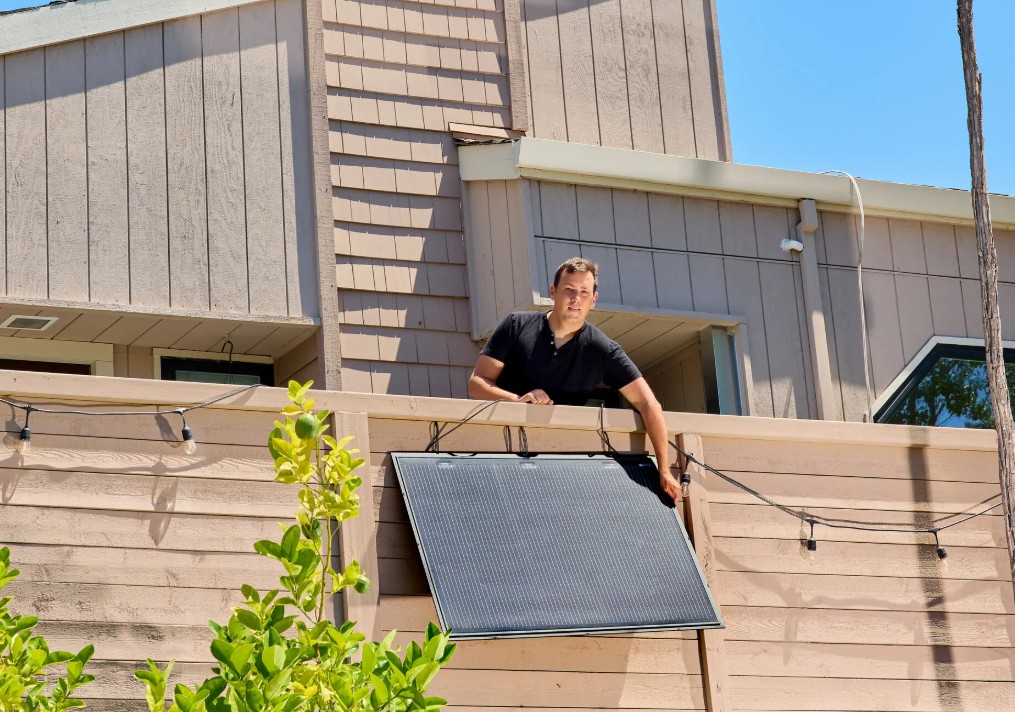
Plug-in solar panels are emerging as an affordable alternative to traditional rooftop solar systems, giving homeowners and renters a simple way to reduce electricity costs without expensive installations. Unlike conventional solar arrays that require permits, professional installation, and investments of tens of thousands of dollars, these compact systems can often be installed by users themselves and cost as little as a few hundred dollars per panel, tells The New York Times (full article available to subscribers).
The appeal is growing as electricity prices continue to climb across the United States. Utah became the first state to legalize plug-in solar systems, and nine other states have followed, while several more are considering similar legislation. The systems are especially attractive to apartment and condominium residents because they can be placed on balconies, in backyards, or other small outdoor spaces.
Early adopters have already reported modest savings. One Utah homeowner reduced her electricity bill by about $77 over six months, while a California condominium owner saves between $5 and $7 each month with two balcony-mounted panels. Although the financial returns are relatively small, users value the opportunity to lower their energy costs and reduce their environmental impact.
Despite growing enthusiasm, the technology still faces regulatory hurdles. No plug-in solar system has yet received full U.S. safety certification, although UL Solutions expects to certify at least one system soon. Experts caution consumers against purchasing uncertified products because they could create electrical hazards or damage household equipment. Utility companies have also raised concerns that electricity generated by the systems could pose risks to line workers during power outages.
Manufacturers argue that modern plug-in systems automatically shut down when the grid loses power, minimizing safety concerns. As certification standards are finalized and more states adopt supportive legislation, industry advocates believe plug-in solar could become an important tool for improving energy affordability. By combining low upfront costs with simple installation, these systems have the potential to make renewable energy accessible to millions of Americans who have long been excluded from the rooftop solar market.
