

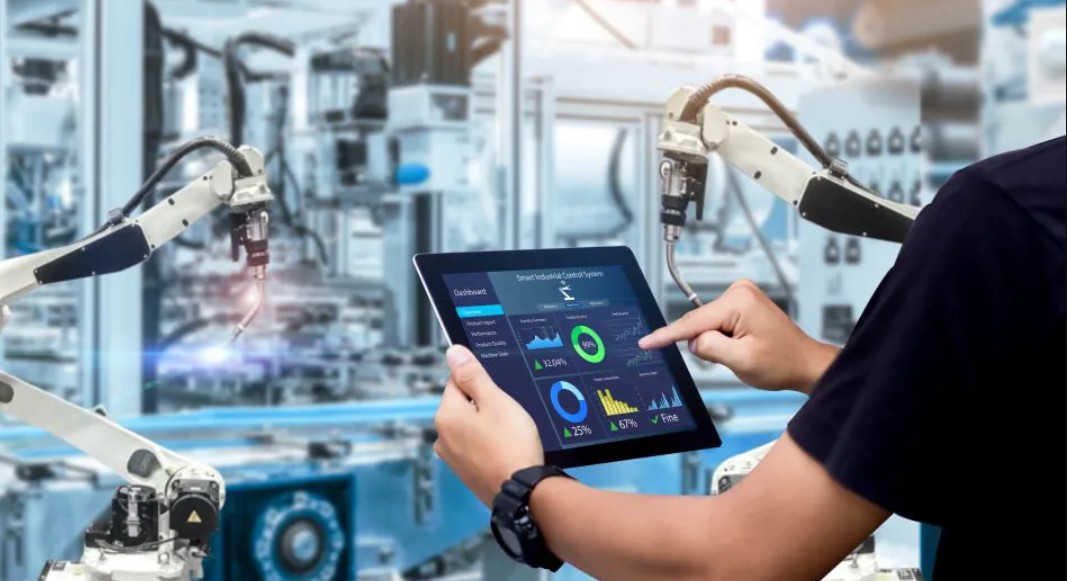
As manufacturers embrace automation and artificial intelligence (AI), preserving decades of accumulated engineering expertise while developing new workforce capabilities is becoming increasingly important. Steve O’Keeffe, regional vice president at Epicor, examines this challenge, highlighting Bentley’s £350 million investment in its Crewe plant to support electric vehicle production, tells The Engineer.
Experienced engineers possess tacit knowledge developed through years of working with machinery, materials, and manufacturing processes. Their ability to recognize operational abnormalities, diagnose equipment problems, and refine production techniques is difficult to document. When experienced employees retire or leave, manufacturers risk losing this valuable intellectual capital.
Although apprenticeships, mentoring programs, and technical documentation support knowledge transfer, manufacturers must simultaneously invest in upskilling employees to operate increasingly sophisticated digital technologies.
O’Keeffe argues that traditional manufacturing expertise and digital capabilities should complement rather than compete with each other. Manufacturers already possess extensive operational information within enterprise resource planning (ERP) systems, maintenance logs, production records, and quality control systems. AI-powered natural language interfaces could make this information more accessible, helping employees retrieve relevant insights and make informed decisions.
However, AI cannot independently reproduce the judgment and practical understanding acquired through years of engineering experience.
A report by industry association Make UK indicates that most manufacturers remain in the early stages of AI adoption, with applications concentrated primarily in administrative functions rather than production, supply chain management, or quality control. Nevertheless, nearly half of manufacturers expect AI to significantly reshape jobs and working practices within two years.
Emerging applications include predictive maintenance, AI-assisted production scheduling, and automated quality inspection, demonstrating the technology’s potential to augment workforce capabilities rather than replace employees.
The article emphasizes that successful manufacturing transformation depends equally on technological investment and human capital development. By combining established engineering expertise with emerging digital capabilities, manufacturers can preserve institutional knowledge, improve operational efficiency, strengthen workforce adaptability, and maintain long-term competitiveness.
