

Researchers have developed a new kind of synthetic “smart skin” that can change its appearance, texture, and shape when exposed to different stimuli such as heat, liquids, or mechanical stress, tells Tech Xplore. Inspired by the remarkable abilities of octopuses to adjust their skin for camouflage and communication, the team at Pennsylvania State University used a novel 4D-printing method to create this adaptive material. Unlike most synthetic materials with fixed properties, this smart skin is programmable and multifunctional, meaning it can be designed to react in specific ways when its environment changes.
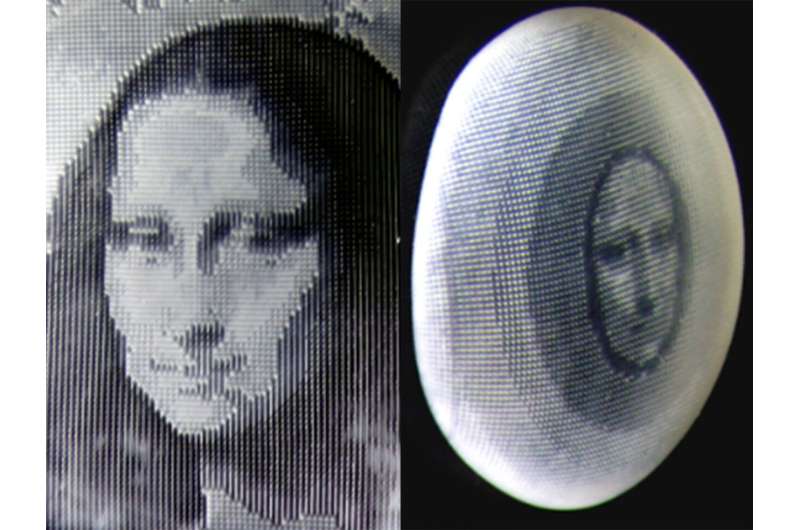
The smart skin is made from a hydrogel—a soft, water-rich polymer—and incorporates digitally encoded instructions that define how it should respond to external cues. The researchers used a technique called halftone-encoded printing, which embeds patterns into the material that determine how different regions swell, soften, or change texture when stimulated. This lets the material dynamically alter its optical appearance and surface structure. In one demonstration, the team encoded an image of the Mona Lisa into the smart skin. When treated with ethanol, the film remained transparent and hid the image; after being immersed in ice water or heated, the image appeared clearly.
Beyond dynamic visuals, the smart skin can also morph into complex three-dimensional shapes. As flat sheets are exposed to triggers, they can curve and transform into domes or other structures, with the image becoming visible only after the change in shape. This co-design of appearance and deformation closely mirrors natural processes seen in cephalopods, where skin pattern and body form work together.
Researchers see broad potential for this technology. Uses could span adaptive camouflage, secure information encryption (by hiding and revealing data on demand), soft robotics that need to adjust form and function, and advanced biomedical devices that respond to changes inside the body. Moving forward, the team plans to improve how precisely multiple functions can be digitally encoded into one material system.
