

This article on Ars Technica revisits the work of Jef Raskin, a pioneer in human–computer interaction, and explores why many of his ideas for more humane, user-centered computing remain largely unfulfilled. The article frames Raskin’s path as a cul-de-sac, rich with insight and potential, but one that diverged from mainstream computing trends and ultimately didn’t reshape them as he hoped.
Raskin’s core ambition was to make computers usable and even friendly for people who weren’t tech experts. He believed the interface should adapt to human mental models and cognitive limits, rather than forcing users to adapt to machines. His design principles included “modeless” interfaces (where users aren’t constantly switching modes), predictability, minimized interruptions, and simpler navigation.
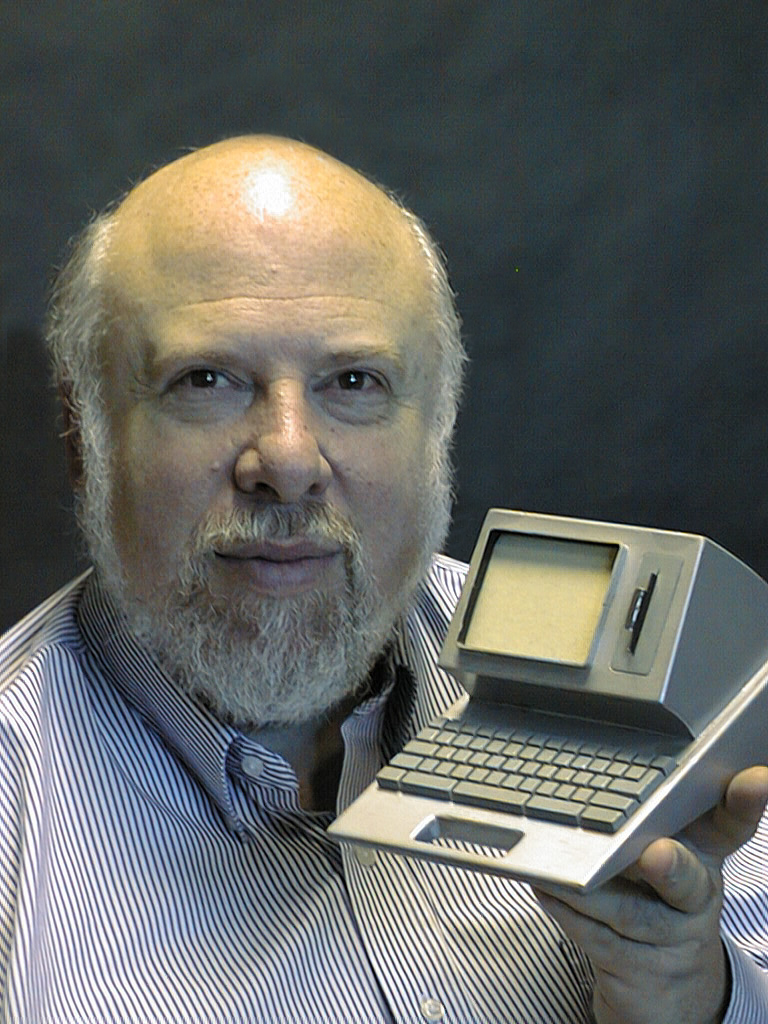
Some of his creations, such as the Archy software and the Canon Cat, embodied these ideas. Archy, for example, proposed radical changes: no separate applications, pervasive commands across document contexts, zooming user interfaces, and fewer layers between a user and desired tasks.
But despite their technical elegance, many of these concepts failed to achieve broad adoption. The article argues several reasons: market forces favoring complexity and feature-arms races; customers and companies accustomed to familiarity rather than paradigm shifts; and the difficulty of balancing radical simplicity with the demand for powerful, flexible tools. Raskin’s aesthetic and cognitive ideals clashed with commercial incentives.
Still, his influence persists. Elements of his philosophy show up in modern UX debates: minimalism, undo/redo everywhere, better search/navigation, and interface consistency. Ars Technica paints him not as a failure, but as someone whose “wrong turn” was more about timing and economics than about value. The article suggests that revisiting Raskin’s humane ideals might help guide future innovations in interface design.
