

Robotics needs better training data, but supplying it does not automatically make a sustainable business. Hardware FYI examines that distinction through the closure of Eidon, a startup collecting data for robots.
Video is becoming less commercially distinctive. More valuable recordings require specialized collection hardware, bringing shipping costs, sensor calibration, equipment failures, and data quality checks. Providers must manage the demands of physical products alongside the information they sell.
Their customers may eventually become competitors. Robotics laboratories want deployed machines to gather experience that improves their models. External collectors help establish this process, but demand for their services could shrink once laboratories generate enough data themselves.
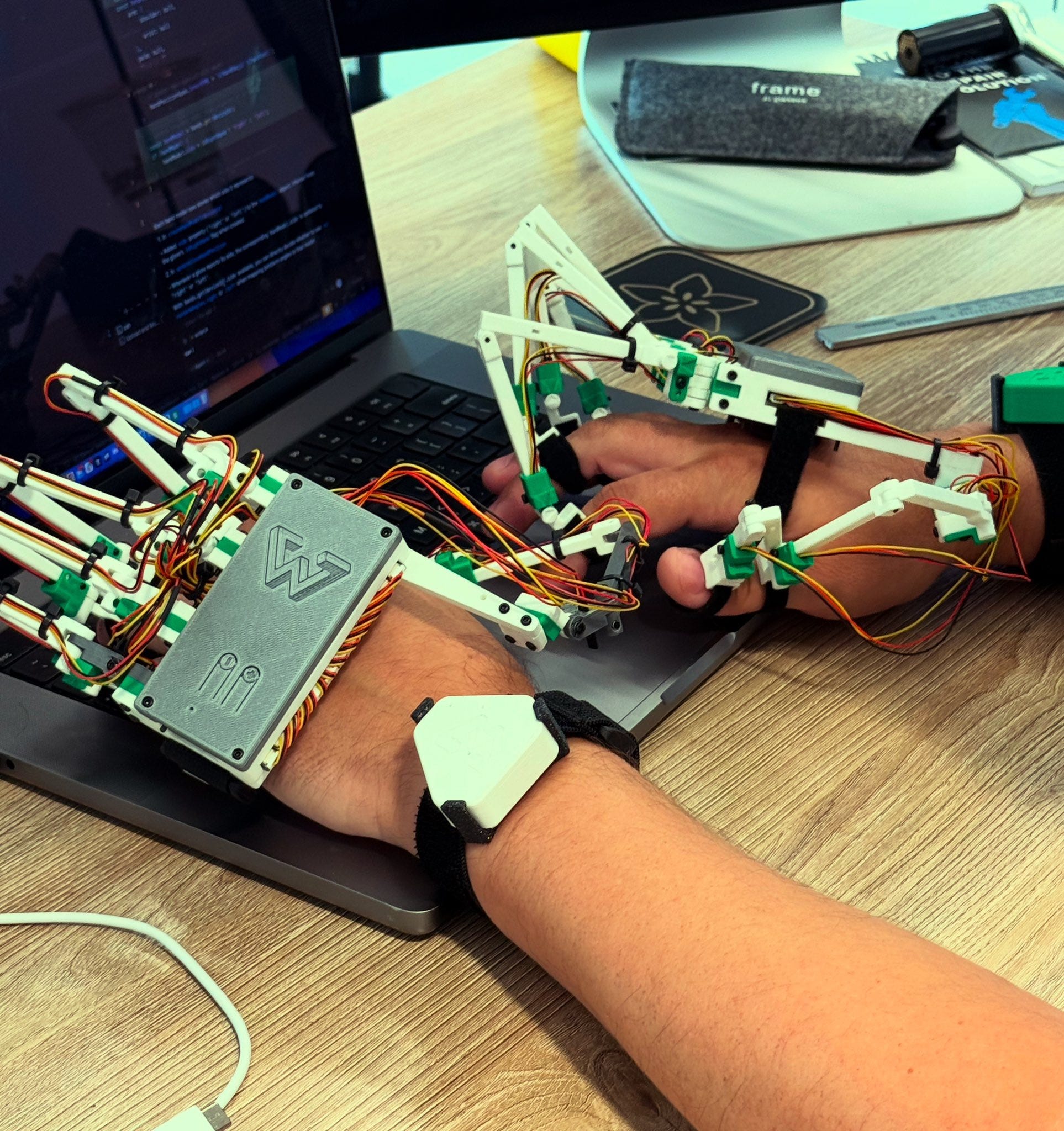
The newsletter also highlights interfaces that translate human demonstrations into robot training examples. These must balance natural human movement with robot mechanics. Adding dexterity introduces motors, tendons, and linkages that increase friction, wear, and failure risks.
Other selections explore giving unused industrial equipment to researchers and making chip design accessible through inexpensive student tapeouts. Together, these examples connect engineering opportunities with the practical resources needed to pursue them.
A featured examination of SpaceX’s Raptor engine offers another perspective on difficult hardware development. Its cleaner appearance reflects substantial engineering work beneath the surface. Raptor uses two preburners, producing fuel-rich and oxygen-rich streams that drive turbines before entering the main combustion chamber. This arrangement demands complexity even when the finished engine looks simple.
SpaceX reduced hardware by removing development sensors, combining valves, replacing bolted connections with welds, and moving plumbing inside components through metal additive manufacturing. These changes required extensive testing and refinement. Welding reduces potential leak points but makes servicing harder, illustrating the tradeoffs behind component reduction.
The Raptor example reinforces the newsletter’s interest in demanding engineering problems: apparent simplicity can depend on years of experimentation, manufacturing improvements, and careful decisions about which complexity to retain.
