

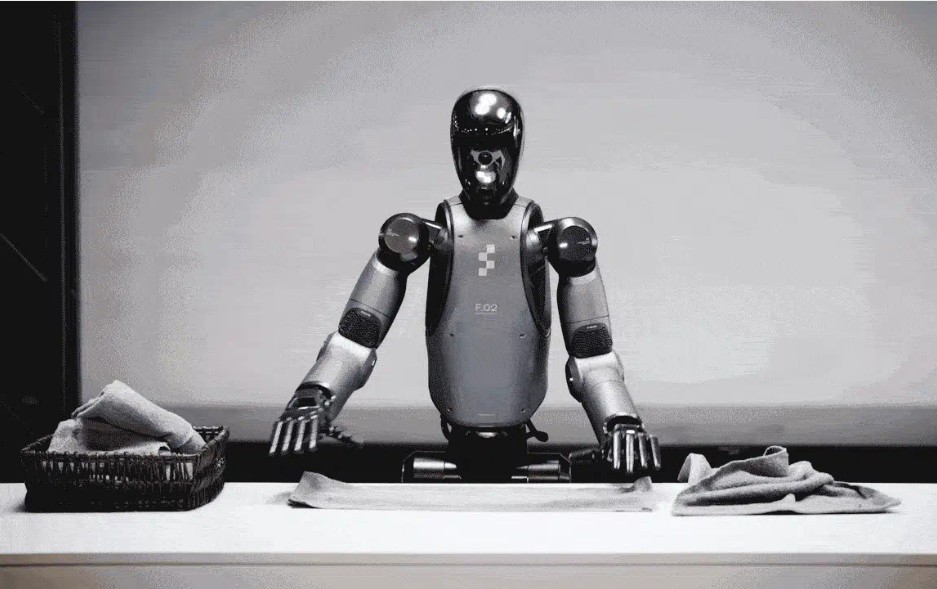
In this article from IEEE Spectrum, the growing fascination with robots that can fold clothes is explored as more than a novelty; it’s a key benchmark for complex robotic manipulation.
The article opens by stressing that folding garments is deceptively hard for robots: unlike rigid objects, cloth has many possible shapes, deforms unpredictably, and requires a sequence of accurate grasping, flattening, and folding actions. The very messiness that humans navigate easily becomes a major barrier for robotic systems. Many recent robotics demos show garments being picked up, smoothed, then folded under controlled conditions, but the step from lab demo to consistent home use remains wide.
The appeal of laundry-folding robots is understandable: folding is repetitive, disliked, and occurs universally in homes. Yet the article explains that success in the lab doesn’t always translate commercially because robots often require special conditions (flat surfaces, known garments, preset positions) and still struggle with variations in size, fabric, wrinkles, or orientation. Outcome reliability, cost, and speed remain obstacles.
From an engineering standpoint, the cloth-folding problem showcases the intersection of perception (identifying corners, edges, orientation), planning (sequence of folds), manipulation (grasping deformable material), and interaction with the environment (flat table, hanger, drawer). The article argues that tackling this use case will have broader implications: if robots reliably handle cloth, they’re closer to dealing with many real-world, unstructured tasks.
Folding clothes isn’t just about convenience; it’s a meaningful test of robotic skill. Success here may open the door to more capable domestic robots, while failure reveals the depth of the challenge in bringing robots out of controlled labs and into everyday homes.
