

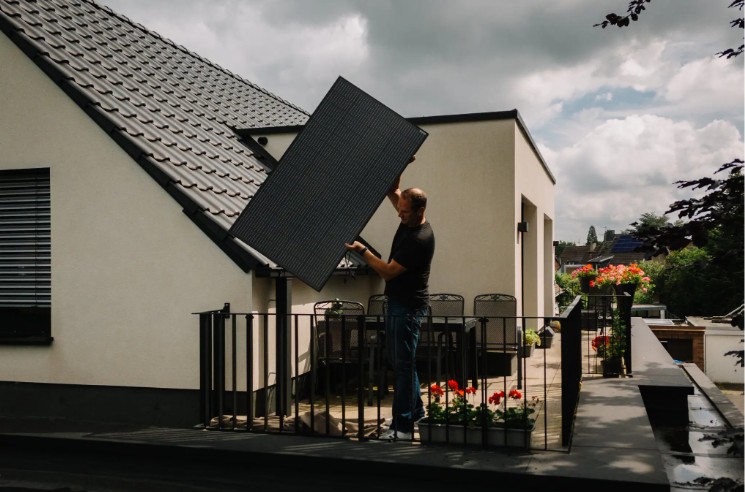
Plug-in solar systems, also known as balcony solar, are generating interest as a low-cost way for homeowners and renters to reduce electricity bills. Unlike traditional rooftop solar installations that can cost up to $36,000 and require professional installation, these compact systems typically cost a few hundred to about $2,000 and are designed to plug directly into a household electrical outlet. Their affordability and ease of installation have already made them popular in Germany, while 10 U.S. states have legalized their use and several others are considering similar legislation.
The New York Times (full article available to subscribers) tells that despite the growing enthusiasm, safety experts advise consumers to wait until certified systems become available. No plug-in solar system sold in the United States has yet earned UL 3700 certification, the safety standard developed by UL Solutions specifically for these products. The company expects certified systems to reach the market soon.
The certification is intended to address several safety concerns. One involves the electrical prongs on larger systems, which could briefly remain energized after being unplugged. Manufacturers are developing protective designs, such as insulated prongs and safety sleeves, to eliminate the risk of accidental shocks. Another concern is that uncertified systems could interfere with a home’s circuit breaker by masking the amount of electrical current flowing through a circuit. If this occurs, overloaded circuits may not trip as intended, increasing the risk of electrical damage or fire.
Although plug-in solar systems are designed to be simple enough for consumers to install themselves, future certification requirements or state regulations could require electricians to install specialized outlets. Once installed, the panels should be placed outdoors in areas that receive at least six hours of direct sunlight each day, with south-facing locations providing the best performance.
As certification standards are finalized, plug-in solar systems are expected to become a practical and accessible option for expanding residential renewable energy while maintaining consumer and electrical safety.
