

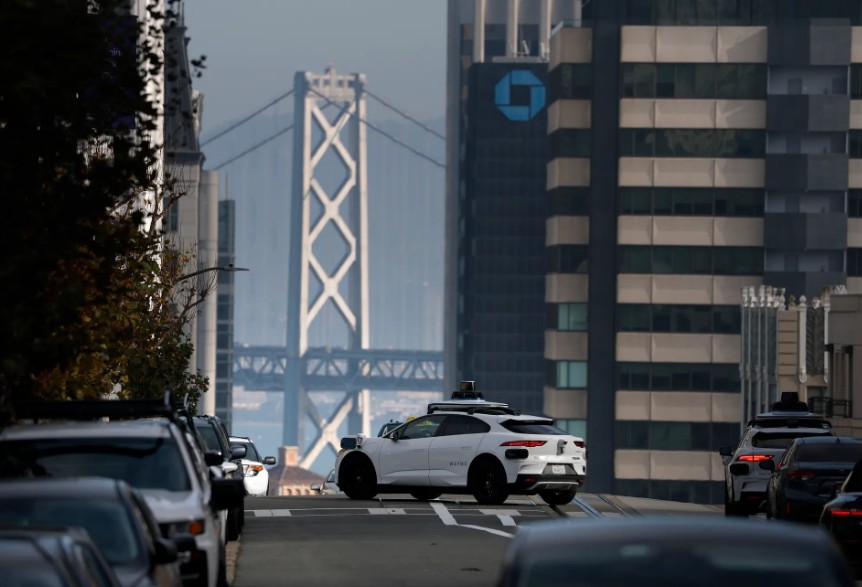
Autonomous vehicles have made significant progress in navigating city streets, but emergency response situations remain one of their biggest technical challenges. A recent Wired.com article examines growing concerns that self-driving cars are interfering with firefighters, police officers, and paramedics during emergencies, prompting federal regulators to demand immediate improvements from the autonomous vehicle industry.
The issue centers on the ability of self-driving systems to interpret unpredictable environments. Unlike normal traffic, emergency scenes contain temporary hazards such as flashing lights, traffic cones, road flares, smoke, damaged vehicles, and hand signals from first responders. These situations often require drivers to ignore standard traffic rules and react to human direction. Current autonomous systems, however, have repeatedly struggled to recognize these unusual conditions, sometimes stopping in inappropriate locations, blocking emergency vehicles, or driving into restricted areas.
The article describes incidents involving robotaxis, particularly those operated by Waymo, in cities including San Francisco and Austin. Emergency officials reported cases in which autonomous vehicles delayed ambulance access, failed to obey hand gestures from officers, or froze in traffic, forcing responders to manually move the vehicles before continuing their work. Public safety officials argue that these incidents consume valuable time when every second can affect patient outcomes.
These concerns have now reached the federal level. The National Highway Traffic Safety Administration (NHTSA) issued a public call to action stating that autonomous vehicles must safely interact with first responders. The agency warned developers that emergency situations are not rare edge cases but routine events that autonomous systems must handle reliably. Regulators have requested meetings with developers to present concrete engineering solutions and emphasized that failure to address the problem represents a significant functional deficiency.
The article also highlights the broader engineering challenge facing autonomous driving. Building systems that can follow traffic laws is only part of the problem. Vehicles must also understand temporary, human-directed changes to the driving environment, interpret nonverbal communication, and make safe decisions under uncertain conditions. Until autonomous vehicles consistently demonstrate these capabilities, regulators and first responders believe widespread deployment must be accompanied by stronger safeguards, closer collaboration, and continuous testing to ensure public safety.
