

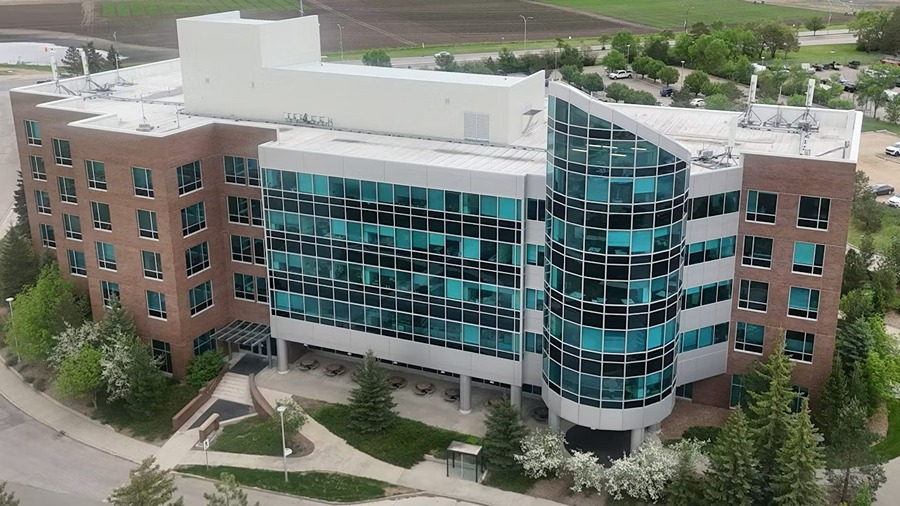
SASKATCHEWAN, Canada, July 16, 2026 – Siemens is expanding its Saskatoon R&D hub as global demand surges for AI-driven chip design software. The expansion adds 10,000 square feet at the Innovation Saskatchewan Research and Technology Park, growing the site to about 45,000 square feet to support its AI software development for semiconductor design.
The Saskatoon site develops AI-enabled electronic design automation (EDA) software used for semiconductor design and verification. As chip designs grow more complex, the software helps engineering teams manage performance and energy efficiency during the design process. The work connects to Siemens’ Industrial AI and Digital Twin strategy, which applies AI tools across semiconductor design and verification workflows.
The expansion is expected to create up to 100 new jobs over the next two years, growing the site’s workforce from approximately 300 to 400 employees. Recruitment will focus on software engineering, AI research and customer application roles.
The hub also builds on Siemens’ collaboration with the University of Saskatchewan, including the Siemens-supported EDA Chair, which supports specialized skills training tied to the talent pipeline.
“The global semiconductor market is entering a historic phase of growth driven by AI,” said Amit Gupta, senior vice president, general manager and chief AI strategy officer, Siemens EDA, Siemens Digital Industries Software. “The advanced AI software developed in Saskatoon helps customers tackle the most demanding chip design challenges. This expansion reflects Siemens’ long-term commitment to Canada’s innovation ecosystem and to advancing Industrial AI that delivers real customer value.”
“The Saskatoon site is a standout example of how Siemens combines local talent with global scale,” said Faisal Kazi, president and chief executive officer, Siemens Canada, Siemens. “What began as an entrepreneurial success has become a strategic center of excellence that serves customers worldwide. This expansion demonstrates our confidence in the Canadian tech sector and its ability to compete on a global stage.”
”Siemens’ expansion in Saskatoon is another example of how strategic investments in innovation are creating opportunities for Canadian workers and strengthening our economic future”, said The Honorable Mélanie Joly, Minister of Industry and Minister responsible for Canada Economic Development for Québec Regions. “By growing its R&D capacity and advancing AI-enabled semiconductor design, Siemens is helping position Canada as a global leader in the technologies that will drive tomorrow’s economy. This investment will create highly skilled jobs, deepen collaboration with Canadian institutions, and contribute to a stronger, more competitive Canada.”
“Saskatchewan continues to build momentum as a global leader in innovation and technology, and Siemens’ expansion in Saskatoon is another strong vote of confidence in our province. This investment will create up to 100 new high-quality, high-tech jobs for Saskatchewan people, supporting families and strengthening our growing tech workforce. It will also position Saskatchewan at the forefront of industrial AI and advanced semiconductor design. By partnering with our world-class educational institutions and leveraging our skilled workforce, Siemens is helping to drive economic growth, create opportunity, and ensure Saskatchewan remains globally competitive,” said Scott Moe, Premier of Saskatchewan.
Siemens marked the expansion with an event attended by government, academic and industry representatives.
Source: Siemens
About Siemens Digital Industries Software

Siemens Digital Industries Software, a business unit of Siemens AG, provides industrial software, hardware and related services through the Siemens Xcelerator platform. The company’s portfolio includes product lifecycle management, electronic design automation, simulation and digital twin tools, manufacturing operations management and low-code application development. These products support design, engineering and production workflows across sectors such as aerospace and defense, automotive, electronics and semiconductors, machinery, medical devices and process manufacturing. Siemens Digital Industries Software traces its origins to 1963 as United Computing, later becoming Siemens PLM Software in 2007 before adopting its current name. It supplies technologies that help organizations manage product, process data, and improve development and manufacturing efficiency across a range of industrial applications.
