

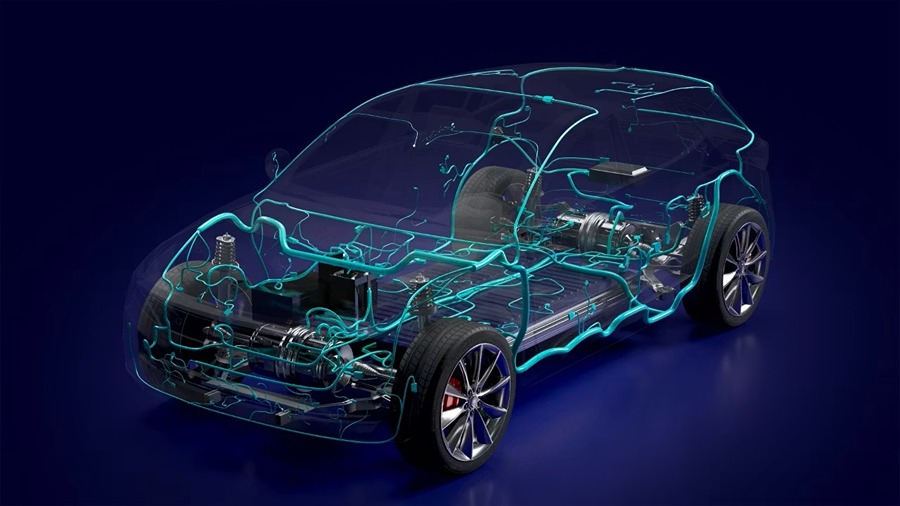
PLANO, TX, June 8, 2026 – Siemens added 3D electrical design capabilities to Capital software to connect wiring design and physical harness routing inside a shared model-based workflow. The update brings electrical and mechanical engineers into the same 3D design context across the Siemens Xcelerator portfolio, reducing handoffs that can delay complex electromechanical programs.
As electrical systems and software content become more complex, disconnected ECAD and MCAD workflows can create delays, errors and rework. Siemens is integrating Capital with Designcenter software for advanced product engineering and Teamcenter software for product lifecycle management (PLM), allowing engineers to design, validate and manage electrical systems directly within the mechanical design environment.
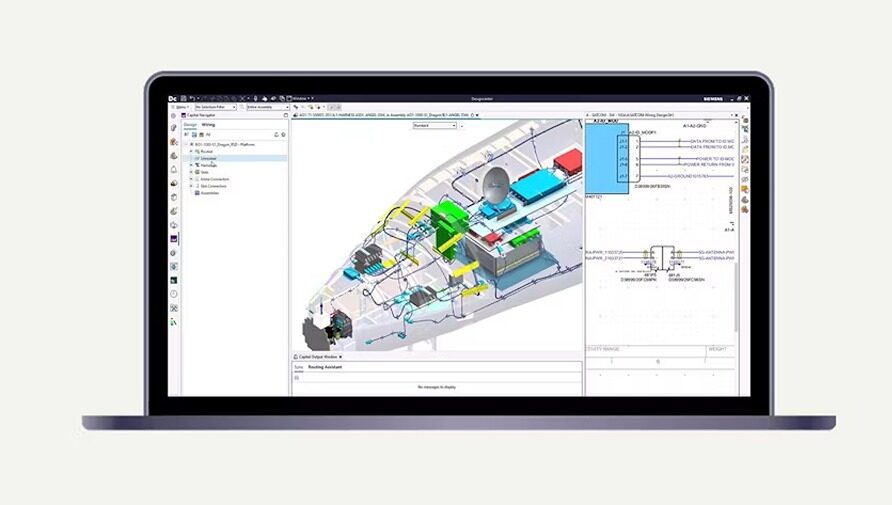
“For the first time, customers can pair best-in-class electrical system design, including AI-driven harness development, with 3D mechanical design in a unified, model-based workflow without compromise,” said Frances Evans, senior vice president, lifecycle collaboration software, Siemens Digital Industries Software. “We are helping our customers reduce development risk while accelerating innovation with better collaboration across disciplines, earlier insight into design issues, and more confident decision making for complex electromechanical products.”
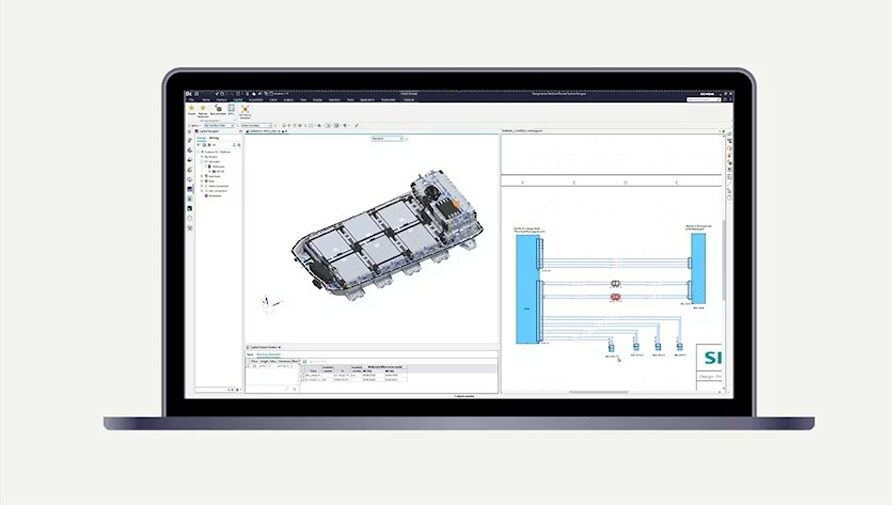
The new 3D electrical design capabilities support earlier validation of electrical systems, improve data continuity across the digital thread and reduce manual handoffs between multidisciplinary engineering teams. Engineers can visualize electrical content in 3D, identify issues and align design intent with physical implementation.
Key benefits include:
- Faster product development through earlier electrical system validation
- Improved ECAD MCAD collaboration in a shared 3D environment
- Reduced cost and risk by minimizing late design changes and rework
- Higher engineering productivity using familiar electrical and mechanical design tools, with AI support
“Cross-disciplinary conflicts between electrical and mechanical teams are relatively inexpensive to resolve early and increasingly painful to resolve late, once adjacent subsystems have hardened around them,” said Chad Jackson, CEO and chief analyst, Lifecycle Insights. “A shared 3D context, what Siemens is offering here, that connects electrical and mechanical engineers from the start of harness design is what makes early resolution operationally possible, not just an aspiration in a process diagram.”
Source: Siemens
About Siemens Digital Industries Software

Siemens Digital Industries Software, a business unit of Siemens AG, provides industrial software, hardware and related services through the Siemens Xcelerator platform. The company’s portfolio includes product lifecycle management, electronic design automation, simulation and digital twin tools, manufacturing operations management and low-code application development. These products support design, engineering and production workflows across sectors such as aerospace and defense, automotive, electronics and semiconductors, machinery, medical devices and process manufacturing. Siemens Digital Industries Software traces its origins to 1963 as United Computing, later becoming Siemens PLM Software in 2007 before adopting its current name. It supplies technologies that help organizations manage product, process data, and improve development and manufacturing efficiency across a range of industrial applications.
