

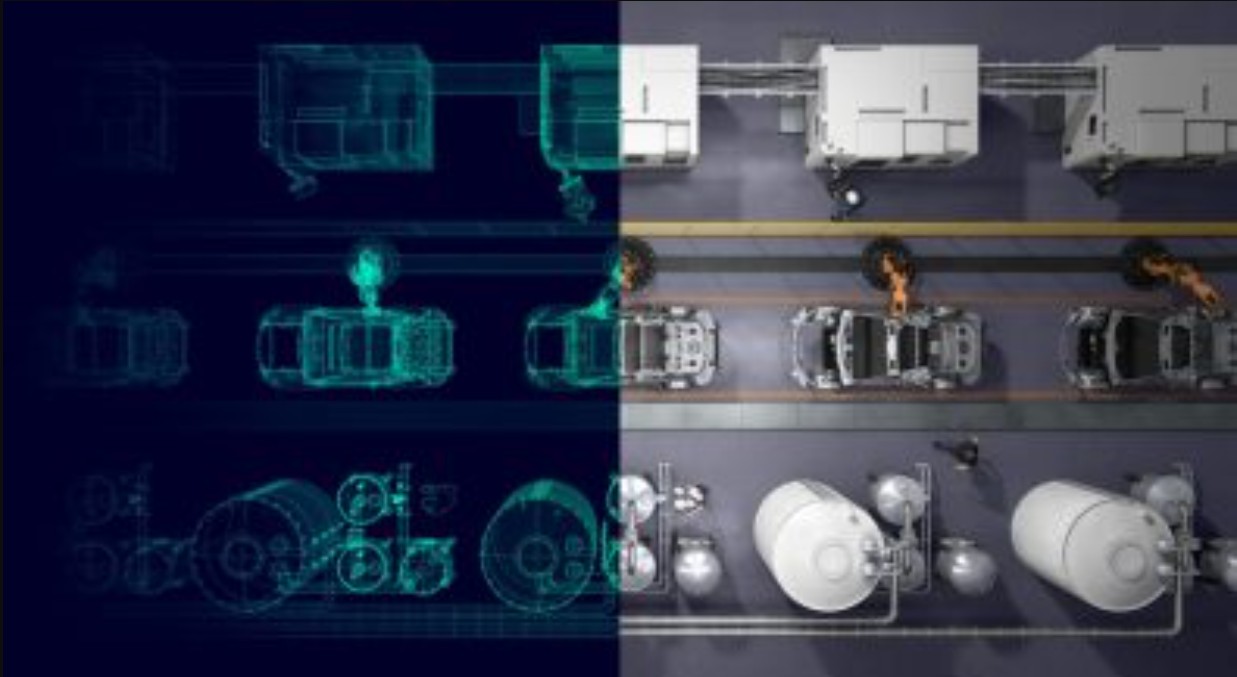
Siemens is extending the digital twin from a static representation of equipment into a continuously operating model that predicts the behavior of physical assets. Its Simcenter Executable Digital Twin, or xDT, combines physics-based simulation, artificial intelligence, and real-time operational data to help industrial teams detect problems, test scenarios, and optimize assets while they are running.
Industrial facilities typically maintain separate streams of operational technology, business information, and external data such as weather or grid conditions. Siemens aims to connect these sources so engineers can uncover relationships that conventional monitoring systems may miss. The xDT runs alongside physical equipment and calculates conditions that sensors cannot directly measure.
The approach addresses limitations in both traditional simulation and AI. High-fidelity multiphysics simulations can provide accurate engineering predictions but may require significant computing time. AI models respond quickly but can produce results that violate physical constraints. Siemens combines reduced-order modeling with AI to compress detailed Simcenter simulations into lightweight executable models that can operate at real-time speeds.
The architecture has three main elements: a Unified Namespace that organizes operational information, the executable digital twin that provides physics-based predictions, and AI agents with knowledge graphs that analyze relationships and identify anomalies. Together, these components can support predictive alerts, root-cause analysis, and what-if simulations.
Siemens has already deployed the technology at BASF’s Antwerp chemical complex. An executable digital twin of the site’s pressurized water-cooling network provides real-time information about flow velocities and pressures across more than 50 production facilities. It has helped identify blocked or undertreated pipes, optimize biocide consumption, and evaluate operating scenarios without adding new sensors.
Siemens sees similar applications across energy generation, transmission networks, and data centers. By combining live data with fast, physics-grounded models, executable digital twins could help operators move from monitoring past events toward predicting asset behavior and making engineering decisions before problems develop.
