

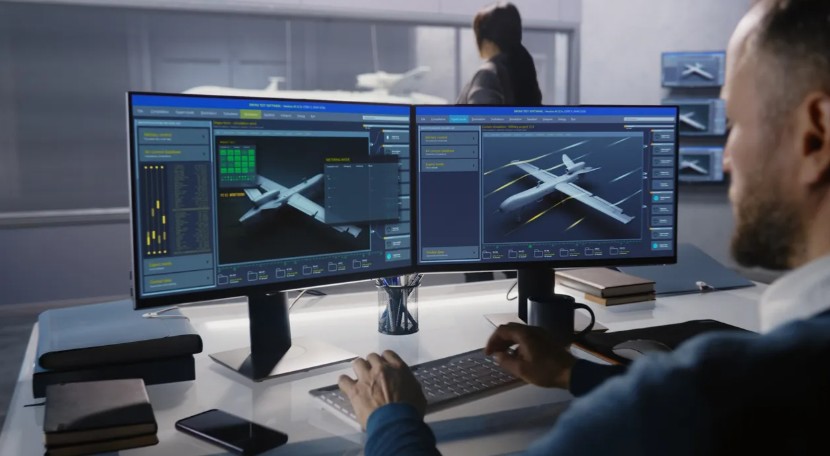
Engineering teams can run simulations faster than they can turn results into decisions, argues Prasad Mandava in this Design News article. Computing power, cloud resources, and solvers let analysts test more alternatives. Yet results often end up as screenshots, spreadsheets, and slide decks. When designers ask to see another angle, load case, or comparison, analysts must return to simulation software and rebuild the report. Each round delays a design choice.
Mandava, who leads a company selling simulation review software, proposes replacing static presentations with interactive 3D reviews. Designers and suppliers could rotate models, inspect stress concentrations, and compare versions in a browser without requiring a specialist to generate every image. Consistent scales and views across variants would help teams judge whether a change improves the product. Bringing structural, thermal, vibration, fatigue, and fluid results together could reveal tradeoffs that separate reports obscure.
The article cites an automotive supplier that reported cutting post-processing time for vibration results by 70–80% after automating review. It also reported faster loading and smaller files. These figures describe one supplier’s experience, not a guaranteed outcome for every team. The benefit, Mandava suggests, is returning analysts to investigation instead of formatting slides.
AI may increase the pressure. Agents can help prepare meshes, launch analyses, and generate more design candidates, but each result still needs interpretation. Mandava argues that automated review should identify hotspots, compare alternatives, and test them against acceptance criteria while leaving engineers responsible for decisions.
He calls for preserving the reasoning behind past simulations. Solver files and data management systems may store results without explaining why one design was accepted and another rejected. Capturing observations, comparisons, and decisions would make that experience useful to future projects and AI tools. The measure of progress, the article concludes, is the time between a completed simulation and an engineering decision.
