

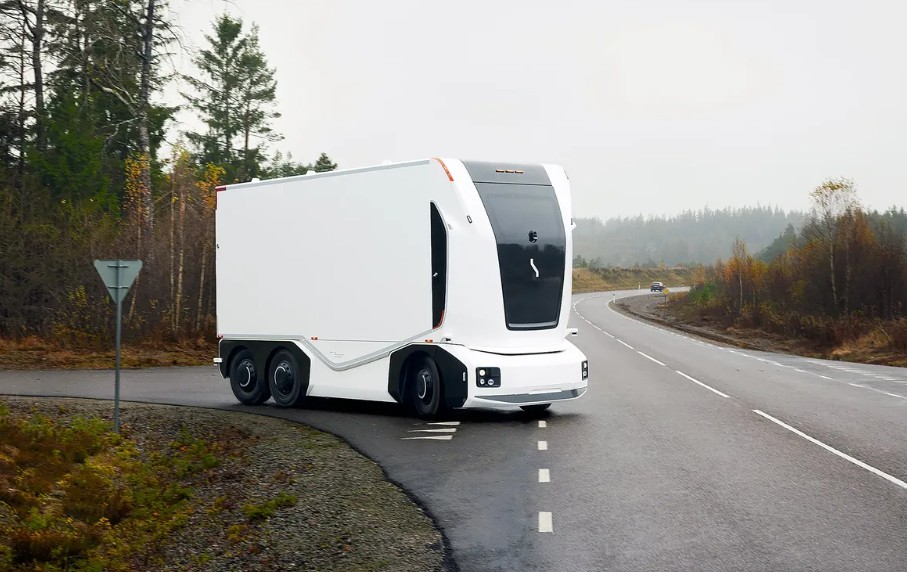
The transition to electric heavy goods vehicles (eHGVs) has progressed more slowly than many industry observers expected. While electric trucks have gained acceptance in short-distance and last-mile delivery operations, long-haul freight remains a significant challenge due to concerns about driving range, charging times, battery weight, and operating costs. According to industry experts, these obstacles have contributed to sluggish adoption rates across both the United Kingdom and the European Union.
IEEE Spectrum tells that one of the most significant technological developments is the introduction of the Megawatt Charging System (MCS), a new charging standard capable of delivering more than one megawatt of power. Unlike current rapid chargers, which may require several hours to recharge a heavy truck, MCS technology could reduce charging times to roughly 30–45 minutes, aligning with mandatory driver rest periods. However, practical concerns remain, including charger reliability, reservation systems, and the enormous electrical demand that large charging facilities would place on local power grids.
Researchers and fleet operators increasingly believe that software will be as important as hardware in making electric freight viable. Digital twin technology, which creates virtual models of vehicles, routes, charging infrastructure, and energy systems, can help operators optimize fleet deployment and energy use. Artificial intelligence can improve route planning, predict charging requirements, and coordinate vehicle schedules to reduce downtime and operating costs.
Battery management is another critical area of innovation. Companies such as Zenobē are extending battery value through second-life applications. When truck batteries no longer meet vehicle performance requirements, they can be repurposed for stationary energy storage, including peak-shaving systems that support charging stations during periods of high electricity demand. This approach improves sustainability while reducing overall ownership costs.
The article argues that electrifying long-haul freight will require more than advances in battery technology. Success will depend on an integrated ecosystem that combines high-power charging, intelligent software, energy management, and infrastructure planning. Together, these technologies could make electric heavy trucks a practical and economically competitive option for the freight industry while helping reduce transportation emissions.
