

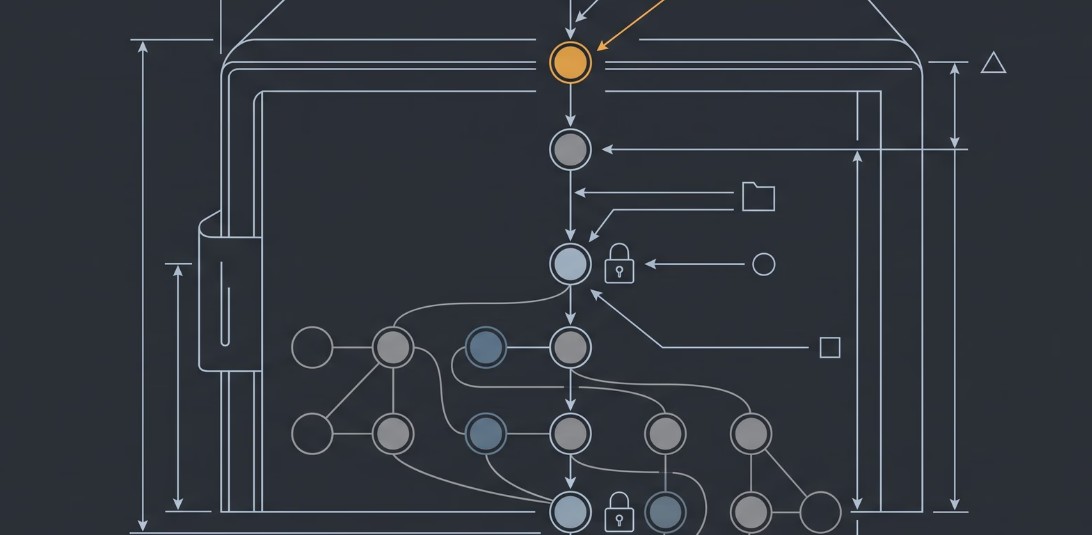
SolidWorks PDM is a vault-based data management system designed to give engineering teams greater control over CAD files and related documents. Instead of storing designs in conventional shared folders, it maintains files in a centralized server-based vault while integrating directly with Windows Explorer.
Leo AI says that the vault addresses common engineering data problems by tracking every file version, controlling who can make changes, and preserving a complete design history. Engineers work with local copies synchronized with the vault rather than directly editing the master files.
Check-out and check-in form the foundation of this system. When an engineer checks out a file, that person receives exclusive editing rights while colleagues can still view or reference it. Checking the file back in creates a new version if changes were made, preserving earlier versions for recovery or comparison. Comments can also document what changed.
PDM workflows extend this control into design approvals. Files can move through states such as Work in Progress, Under Review, and Released. Transitions can require approvals, notify reviewers, generate PDFs, update properties, and automatically advance revision numbers. This connects revision history directly with formal engineering decisions.
SolidWorks PDM comes in Standard and Professional editions. Standard, included with SolidWorks Professional and Premium, supports one workflow with up to 10 states and is aimed at smaller teams. Professional supports larger vaults, multiple workflows, browser access, automated part numbering, task automation, basic BOM management, and integrations with ERP and MRP systems.
SolidWorks Manage extends PDM Professional rather than replacing it. It adds project management, advanced BOM capabilities, engineering change processes, scheduling, and dashboards.
The article also identifies a limitation: PDM controls and preserves engineering data but does not necessarily make accumulated knowledge easy to discover. Leo positions its AI as an intelligence layer that searches PDM data, historical designs, standards, and past engineering decisions while leaving existing file-control processes intact.
