

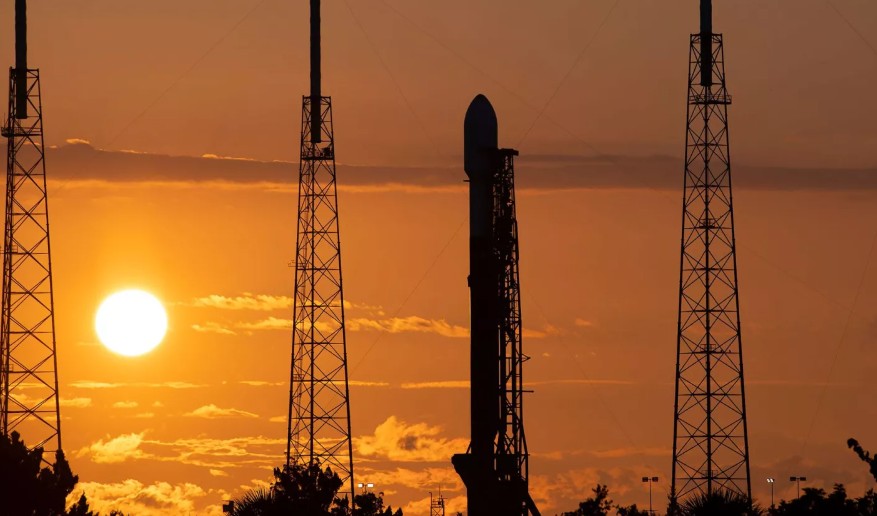
SpaceX is preparing to test a new cargo capsule called Starfall, an experimental spacecraft designed to expand the practical uses of low Earth orbit beyond traditional satellite missions. Scheduled to launch aboard a Falcon 9 rocket from Cape Canaveral, the demonstration mission will evaluate a system that could eventually support both commercial research and rapid cargo delivery from space, tells New Atlas.
According to Federal Aviation Administration documents, Starfall is a compact capsule measuring about 3 meters in diameter and 75 centimeters thick. Weighing approximately 2.1 tonnes, it can carry up to one tonne of cargo. The vehicle combines an aluminum and thermal-protection upper structure with a carbon-fiber lower section protected by a high-performance heat shield. Although it lacks a conventional propulsion system, it uses compressed nitrogen thrusters for attitude control and a parachute system for atmospheric reentry. Cargo is stored within a pressurized compartment filled with nitrogen or another inert gas to ensure protection during flight.
The capsule is intended to serve two primary purposes. The first is as a robotic orbital laboratory that could support scientific research and manufacturing activities after the retirement of the International Space Station. Companies could use Starfall to access microgravity and vacuum conditions for producing specialized materials, crystals, pharmaceuticals, and other products that benefit from the unique environment of space.
The second and potentially more transformative application involves orbital logistics. SpaceX envisions fleets of Starfall capsules stationed in orbit as storage depots capable of delivering supplies to almost any location on Earth with minimal notice. Such a capability could prove valuable for emergency disaster response and military operations, reducing dependence on geographically distributed supply depots while avoiding many of the logistical and political challenges associated with maintaining facilities in foreign countries.
The upcoming demonstration flight will place Starfall on a suborbital trajectory before returning it to a recovery zone in the Pacific Ocean. If successful, the test could mark an important step toward creating a new class of orbital infrastructure that combines manufacturing, storage, and rapid global delivery capabilities.
