

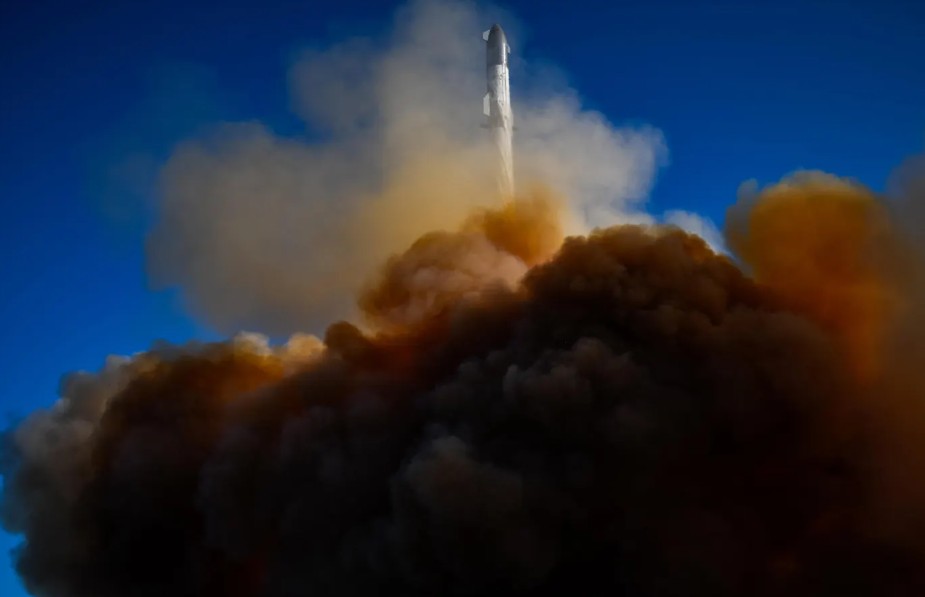
Space tourism has long been limited to a small number of wealthy adventurers, but that could change dramatically if SpaceX’s Starship fulfills its promise. According to a Forbes article, researchers believe the fully reusable spacecraft could trigger rapid growth in commercial space travel by lowering launch costs and dramatically increasing passenger capacity. Unlike today’s tourism missions, which accommodate only a handful of travelers, Starship is designed to carry dozens of passengers on a single flight, potentially making space travel more accessible to a much larger market.
The article highlights the views of space tourism scholar Yoshiyuki Tatsuno, who argues that Starship represents a turning point similar to the arrival of commercial jetliners. Fully reusable launch systems could reduce the cost of reaching orbit by enabling rockets to fly repeatedly with minimal refurbishment. Combined with Starship’s massive payload capacity, this approach could reshape the economics of human spaceflight and encourage the development of new commercial services beyond government missions.
Lower transportation costs could stimulate investment across the emerging space economy. Hotels in orbit, research laboratories, manufacturing facilities, and entertainment experiences could become commercially viable if launch prices continue to decline. The article suggests that tourism may serve as an important catalyst by creating sustained demand for frequent spaceflights, supporting infrastructure that would also benefit scientific research and industrial activities.
Despite the optimism, significant hurdles remain. Starship must complete extensive testing, demonstrate reliable and safe operations, and satisfy regulatory requirements before carrying paying passengers. Commercial space tourism will also require supporting infrastructure, including orbital destinations, life support systems, emergency procedures, and trained crews capable of serving travelers with varying levels of experience.
The article concludes that Starship’s importance extends beyond building a larger rocket. If SpaceX succeeds in delivering a fully reusable transportation system, it could fundamentally change the business model of spaceflight, making routine commercial travel economically feasible for the first time. While widespread space tourism is unlikely to emerge overnight, researchers believe Starship has the potential to become the technological foundation for a new era in which access to space expands well beyond astronauts and the ultrawealthy.
