

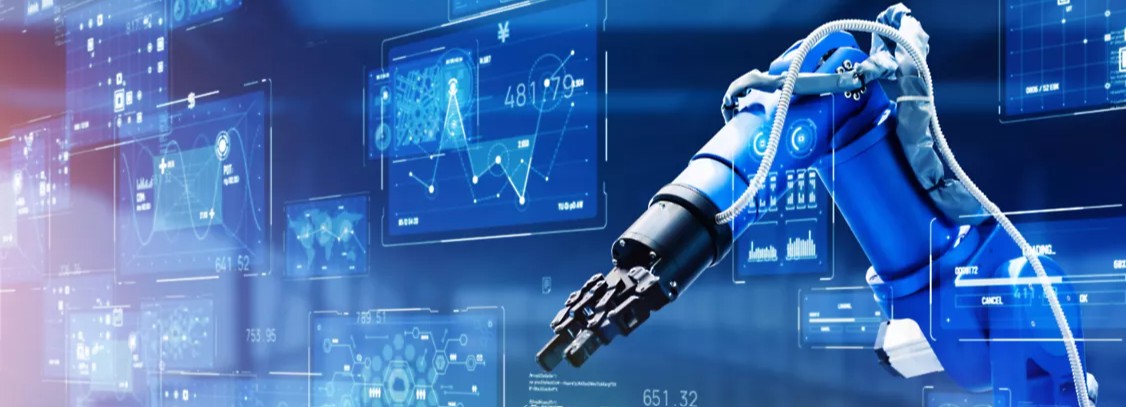
Synopsys is positioning physics-based simulation and accelerated computing as essential foundations for physical AI, where artificial intelligence moves beyond digital environments to systems that sense, decide, and act in the physical world. The company argues that reliable physical AI requires accurate simulation, AI physics, synthetic data, and computing resources capable of handling complex engineering workloads.
The article highlights several applications. FORVIA HELLA uses Ansys Speos to virtually develop and validate increasingly intelligent automotive lighting systems. Running simulations through T-Systems’ GPU-based Industrial AI Cloud reduced simulation time by 86% compared with a 512-core CPU environment, allowing more validation to occur before physical testing.
In aerospace, Leonardo uses Ansys AVxcelerate Sensors to simulate cameras, radar, and lidar while generating synthetic multisensor data for helicopter perception and autonomous-flight functions. OpenUSD workflows and Nvidia Omniverse libraries support reusable virtual environments. INYO Mobility similarly uses Ansys simulation, digital twins, and Nvidia technologies to develop its autonomous INYO-Cab. Virtual testing helped the startup evaluate German urban traffic conditions and iterate in hours instead of weeks.
Synopsys also connects physical AI development with semiconductor and materials engineering. EMD Electronics uses Synopsys QuantumATK, machine-learned interatomic potentials, and quantum-mechanical simulation to investigate material behavior and screen larger design spaces. Imec applies GPU-accelerated Synopsys S-Litho to study advanced EUV and High-NA EUV lithography, with Synopsys reporting speedups of up to 40 times.
Accelerated computing underpins these workflows. In one example, Infineon reduced a 3D device simulation from 24 days to less than 48 hours using four Nvidia H200 GPUs. Synopsys sees this combination of simulation, digital twins, AI physics, synthetic data, and GPU computing as a way to explore more possibilities virtually, shorten development cycles, reduce physical testing, and validate intelligent products before deployment.
