

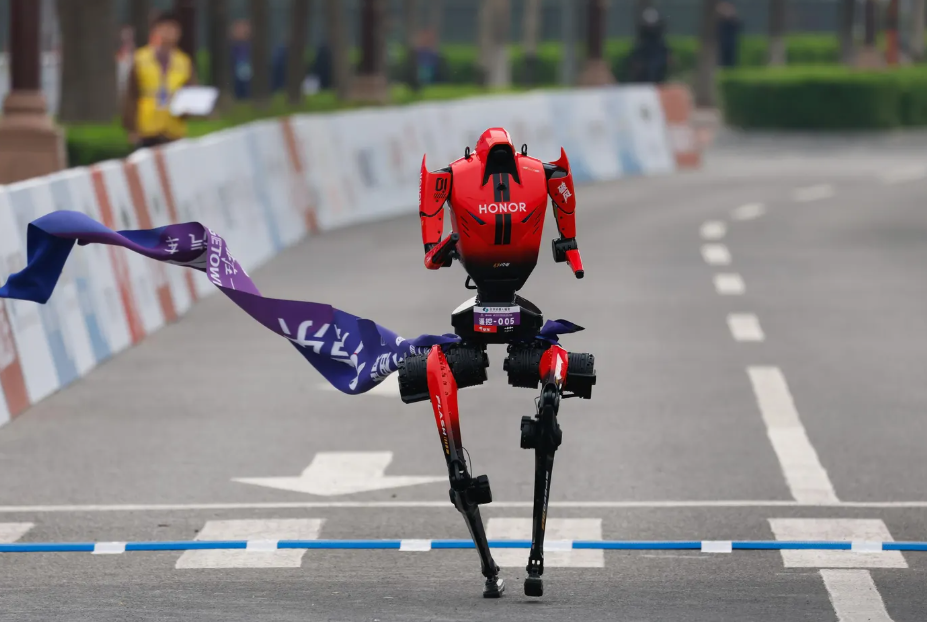
The future of robotics may be defined less by humanoid machines than by specialized forms designed around specific jobs. Writing in Forbes, author John Werner examines this question through a panel discussion at The Next Endeavor in Mountain View, California, where robotics leaders discussed safety, human interaction, physical design, and advances in embodied AI.
Brad Porter of Collaborative Robotics described several levels of human–robot interaction. Robots may work separately from people, take turns performing tasks, or collaborate directly with humans. As collaboration increases, robot design must clearly communicate a machine’s capabilities and intended movements. Visible wheels, for example, can help people anticipate which direction a robot will travel.
Safety is particularly important for robots entering homes. Aaron Edsinger of Hello Robot said consumer robots must be designed for safety from the beginning. His company deliberately avoids a traditional humanoid form, instead using a wheeled base, slender mast, and robotic arm. This task-oriented configuration is less expensive and easier to engineer.
Porter similarly questioned the value of humanoid robots. Research at Amazon found no task among dozens examined where legs provided an advantage. Legs instead consumed more power and introduced additional engineering challenges. A low center of mass can also improve stability and safety.
Alison Sander of AltWheels described robotics as undergoing a proliferation of forms. Robots already appear as autonomous vehicles, robotic fish, robotic bees, industrial machines, and other specialized systems. Michael Spranger, formerly of Sony AI, noted that future robots could even operate inside the human body, making humanoid designs irrelevant for some applications.
AI advances will still transform what these machines can accomplish. Multimodal models, reinforcement learning, simulation, and open-weight foundation models are improving robotic intelligence and physical skills. The article suggests that robotics will not converge on one universal body. Instead, successful machines will increasingly combine intelligence with forms optimized for safety, economics, environment, and purpose.
