

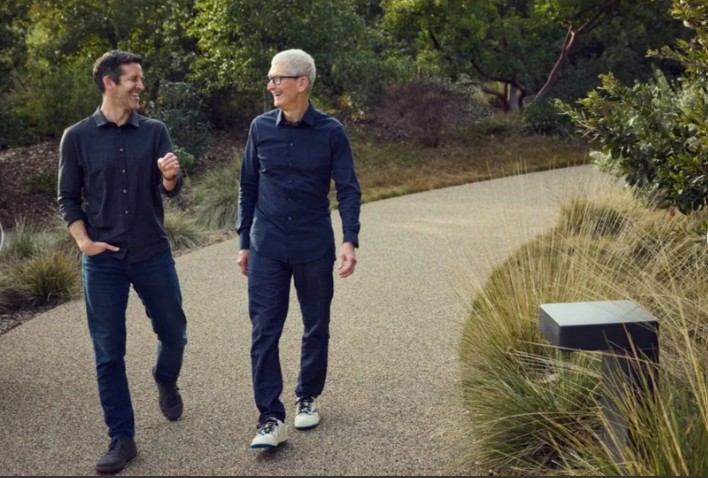
An article from Design News examines the major obstacles that could confront John Ternus if he eventually succeeds Tim Cook as CEO of Apple. Ternus, Apple’s senior vice president of hardware engineering, has increasingly emerged in industry speculation as a possible future leader. While he is widely respected for overseeing products such as the iPhone, Mac, and Apple Silicon transition, the article argues that leading Apple would require navigating challenges far beyond engineering execution.
One major issue involves artificial intelligence. Apple faces mounting pressure to demonstrate that it can compete aggressively in generative AI against rivals such as Microsoft, Google, and OpenAI. The article notes that Apple’s traditionally cautious approach to emerging technologies may clash with investor expectations for rapid AI integration across devices and services.
Another challenge centers on innovation fatigue. Apple continues to generate enormous revenue from the iPhone ecosystem, but critics increasingly question whether the company can still produce category-defining breakthroughs comparable to the iPhone, iPad, or Apple Watch. The mixed reception surrounding products such as the Vision Pro highlights the difficulty of introducing expensive new computing platforms at scale.
Geopolitical and manufacturing pressures also loom large. Apple remains heavily dependent on global supply chains tied to China, leaving the company vulnerable to trade disputes, regulatory tensions, and manufacturing disruptions. Expanding production into countries such as India and Vietnam may reduce risk, but restructuring supply chains at Apple’s scale remains extraordinarily difficult.
The article additionally points to growing regulatory scrutiny. Governments in the United States and Europe are increasingly targeting Apple’s App Store policies, ecosystem control, and market dominance. Future leadership will likely require balancing profitability with rising antitrust pressure.
Finally, maintaining Apple’s culture presents its own challenge. Tim Cook’s leadership emphasized operational discipline and steady growth following the visionary era of Steve Jobs. Any successor must preserve Apple’s reputation for polished hardware and integrated ecosystems while proving the company can still define the future of consumer technology.
The article suggests that Ternus may possess the engineering credibility needed for the role, but Apple’s next chapter will depend on navigating technological change, political complexity, and shifting expectations across the global tech industry.
