

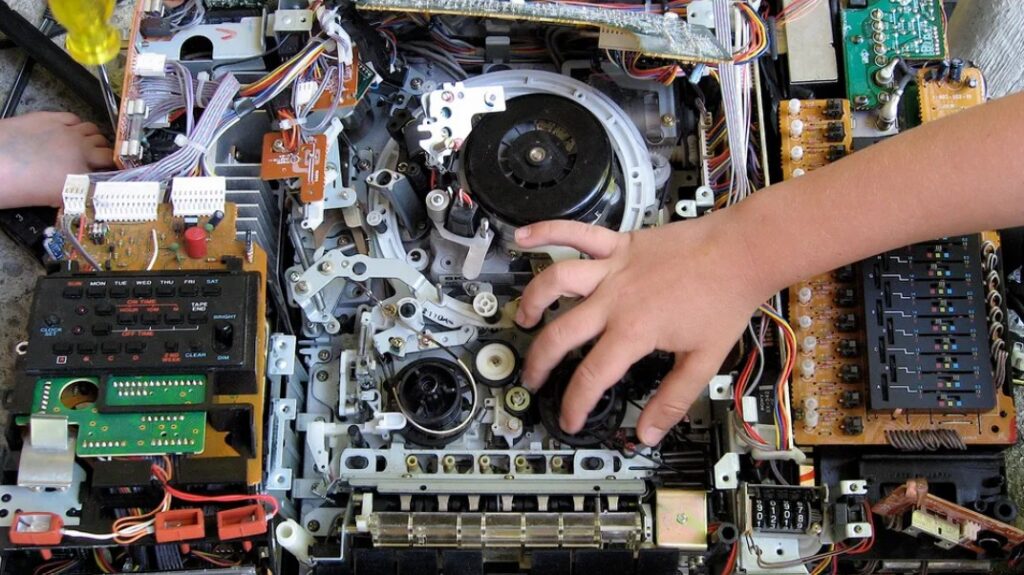
An article from Live Science explores the historical roots of modern repair restrictions, arguing that today’s barriers to fixing phones, tractors, appliances, and consumer electronics can be traced back to copyright battles that began during the rise of home videotaping technology in the 1970s and 1980s.
The article explains that entertainment companies initially feared videocassette recorders would enable widespread piracy and undermine the film industry. In response, lawmakers and copyright holders pursued stronger legal protections around digital systems and access controls. Those efforts eventually contributed to the creation of laws such as the Digital Millennium Copyright Act (DMCA) in the United States, passed in 1998. One key section of the law made it illegal to bypass digital locks or technological protection measures, even when the goal was lawful repair rather than piracy.
According to the article, manufacturers later extended these protections far beyond movies and music. As consumer products became increasingly software-driven, companies began embedding digital controls into tractors, smartphones, medical devices, appliances, and automobiles. By using copyright law alongside proprietary software systems, manufacturers gained greater power to limit third-party repairs, restrict access to diagnostic tools, and discourage independent servicing.
The article argues that this shift fundamentally changed ownership itself. Consumers may legally purchase products, but software licenses and digital locks often prevent them from fully controlling, modifying, or repairing the devices they own. Farmers, mechanics, and electronics repair technicians have repeatedly challenged these restrictions, claiming they increase costs, reduce product lifespan, and contribute to growing electronic waste.
The article also highlights the rise of the right-to-repair movement, which seeks legislation requiring manufacturers to provide replacement parts, manuals, diagnostic access, and repair information to consumers and independent shops. Supporters argue that repair access strengthens competition, sustainability, and consumer rights, while manufacturers maintain that restrictions help protect safety, cybersecurity, and intellectual property.
Ultimately, the article presents today’s repair debates as part of a much longer struggle over technology ownership, control, and copyright. Laws originally designed to protect Hollywood content now shape whether people can legally repair the devices they depend on every day.
