

Researchers at the University of Wisconsin–Madison have uncovered new details about the microscopic defects that can weaken premium metal parts produced through additive manufacturing. Using advanced X-ray imaging techniques, the team identified the origin of tiny pores and voids that form during laser-based 3D printing processes, providing new insight into one of the most persistent quality challenges facing industrial additive manufacturing.
Metal additive manufacturing has become increasingly important in aerospace, medical, defense, and energy applications because it enables the production of lightweight and highly complex components that are difficult to manufacture conventionally. However, even high-end printed parts can contain microscopic internal defects that compromise structural integrity, fatigue resistance, and long-term reliability. Understanding exactly how these flaws form has remained difficult because the process occurs rapidly and under extreme temperatures.
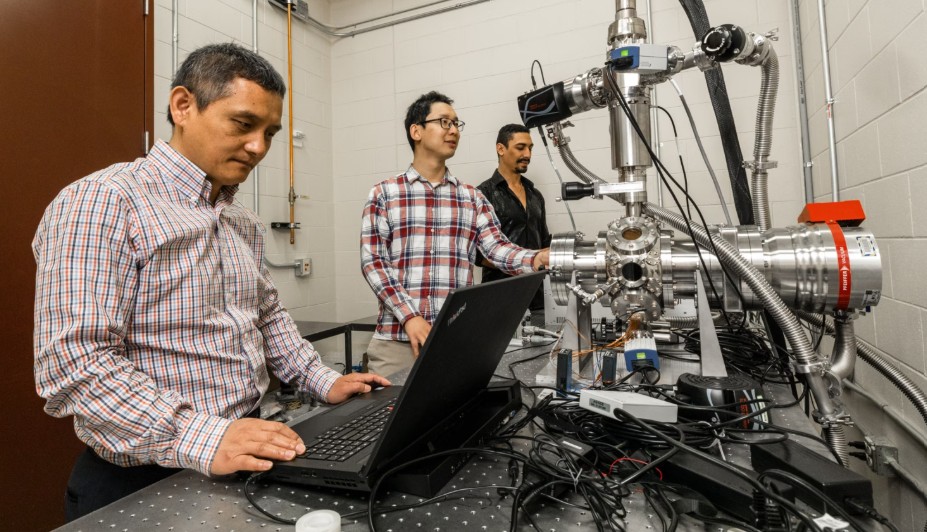
The Wisconsin researchers used high-speed synchrotron X-ray imaging to observe the formation of defects in real time during the laser powder bed fusion process. The imaging revealed that many pores originate from trapped gas bubbles formed inside the molten metal pool created by the laser. As the material rapidly solidifies, some bubbles fail to escape and become locked inside the finished component.
The research challenges previous assumptions that many defects were caused primarily by instability in the melt pool itself. Instead, the findings suggest that gas trapped within metal powder particles before printing can play a major role in defect formation. According to the researchers, this discovery could influence future improvements in powder production, material preparation, and printing parameters.
The ability to directly visualize these internal processes represents a major step forward for additive manufacturing research. By identifying the root causes of porosity more accurately, manufacturers may eventually improve process control and produce stronger, more reliable components for safety-critical industries.
The findings also highlight the growing role of advanced imaging and diagnostics in modern manufacturing. As additive manufacturing transitions from prototyping to large-scale industrial production, researchers increasingly need tools capable of observing processes occurring at microscopic scales and high speeds. Better visibility into these hidden phenomena could help accelerate the adoption of 3D printing in industries where performance and reliability are nonnegotiable.
