

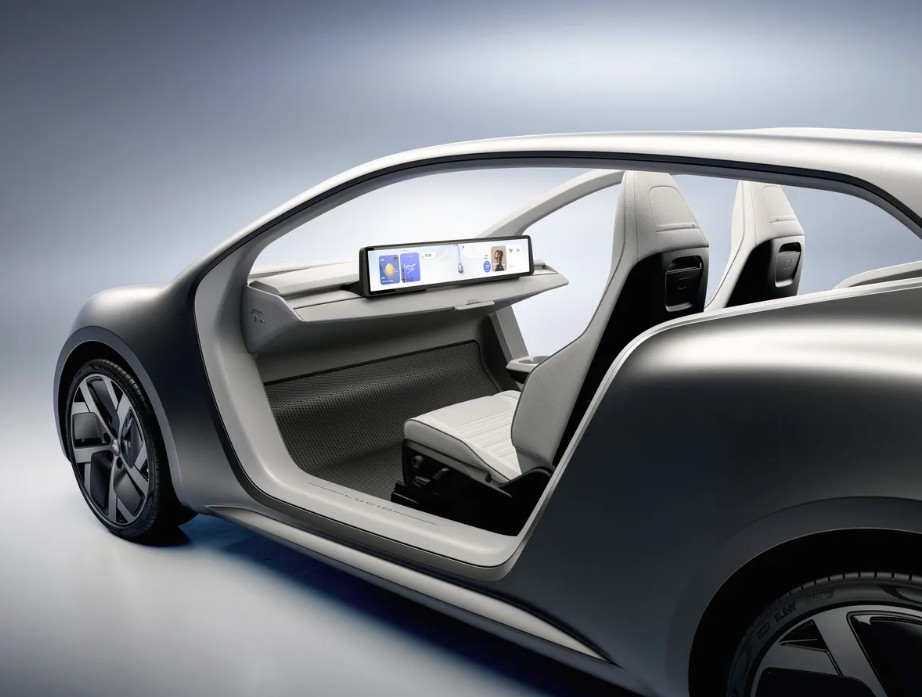
A concept robotaxi from Lucid Motors is pushing a radically simplified vision of autonomous transportation, according to IEEE Spectrum. The vehicle, called Lunar, is a two-passenger design created as an experimental “midnight project,” reflecting a shift away from adapting existing cars toward purpose-built autonomous systems.
Unlike traditional vehicles, Lunar is designed without many familiar features. Its compact, two-seat layout prioritizes efficiency and urban use, reducing size, weight, and energy consumption. By focusing on essential passenger needs rather than driver controls or luxury add-ons, the concept challenges assumptions about what a car must be in a fully autonomous future.
The design reflects a broader engineering philosophy centered on radical efficiency. A smaller footprint means lower energy use per trip, while fewer components simplify manufacturing and maintenance. In dense urban environments, where space and congestion are constant constraints, such a vehicle could enable higher utilization rates and smoother fleet operations.
Autonomy is central to the concept. By eliminating the need for a driver, the vehicle’s interior can be reimagined entirely around passengers. The Lunar concept emphasizes comfort and simplicity, turning the ride into a focused transport experience rather than a traditional driving environment.
The article frames this approach as part of a larger transition in mobility. Instead of privately owned cars designed for multiple use cases, robotaxis such as Lunar are optimized for shared, on-demand transportation. This shift could reduce the number of vehicles needed overall while increasing efficiency and lowering operating costs.
While still conceptual, the project highlights key trade-offs shaping the future of autonomous vehicles. Efficiency, cost, and scalability may matter more than versatility or tradition. As companies explore purpose-built designs, robotaxis could evolve into entirely new categories of vehicles, engineered specifically for continuous, high-frequency urban transport rather than individual ownership.
