

A new undergraduate program at the Massachusetts Institute of Technology is reshaping electrical engineering education by blending traditional engineering principles with modern computing and hands-on experimentation. The program, known as Course 6-5 (Electrical Engineering with Computing), was launched to reflect the increasingly interconnected roles of hardware, software, and data in modern technology. After only a year, it has already become the third most popular major among MIT’s first-year students, signaling strong demand for an interdisciplinary engineering curriculum, tells MIT News.
The curriculum builds a foundation in core electrical engineering concepts such as circuits, signals, systems, and computer architecture while offering flexible specialization tracks in emerging fields. Students can explore areas including nanoelectronics, quantum systems engineering, and photonics, reflecting the technological frontiers shaping future electronics and computing systems.
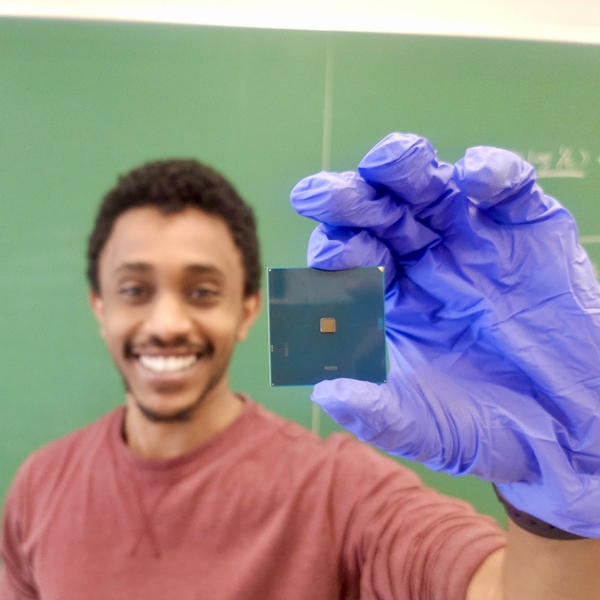
A defining feature of the program is its emphasis on practical learning. Students frequently work directly with advanced tools and hardware rather than studying theory alone. In semiconductor electronics courses, for example, students design integrated circuits using industry-standard software and experience the “tape-out” process in which their chip designs are fabricated. This process exposes them to real manufacturing constraints and the complex design trade-offs that engineers face in industry.
Other courses provide opportunities to work with technologies rarely available at the undergraduate level. In the silicon photonics track, students test real photonic chips using specialized probe stations, while quantum systems engineering courses allow direct interaction with quantum hardware connected to experimental quantum networks. These experiences give students early exposure to the technologies expected to drive future computing and communication systems.
The program also highlights engineering’s societal impact. A capstone course called Engineering for Impact partners students with city governments and nonprofit organizations to tackle real community challenges. By combining technical design with project management, budgets, and stakeholder engagement, the course demonstrates the broader role engineers play in solving real-world problems.
Faculty members say the goal of the program is to empower students to transform ideas into working technologies. By merging electrical engineering fundamentals with computing and hands-on experimentation, MIT’s new degree aims to prepare engineers capable of shaping the next generation of technological innovation.
