

The electric vehicle market in the United States is facing a mixed moment, with declining overall sales and policy setbacks such as the removal of federal tax credits. Yet beneath this slowdown, a significant shift is underway: affordable electric vehicles are rapidly improving in range and value, tells The New York Times.
A decade ago, range and price were closely linked. High-range electric vehicles were expensive, while cheaper models struggled to exceed 100 miles per charge. Today, that relationship has weakened. By 2026, more than a dozen vehicles priced under $40,000 can travel over 300 miles on a single charge, matching the capabilities of premium models from earlier years.
This shift is largely driven by advances in battery technology. Lithium-ion battery costs have fallen dramatically, from around $1,000 per kilowatt-hour in the early 2010s to roughly $100 by 2025. At the same time, energy density has improved, allowing vehicles to store more power without significantly increasing cost. These changes have enabled automakers to deliver better performance at lower prices.
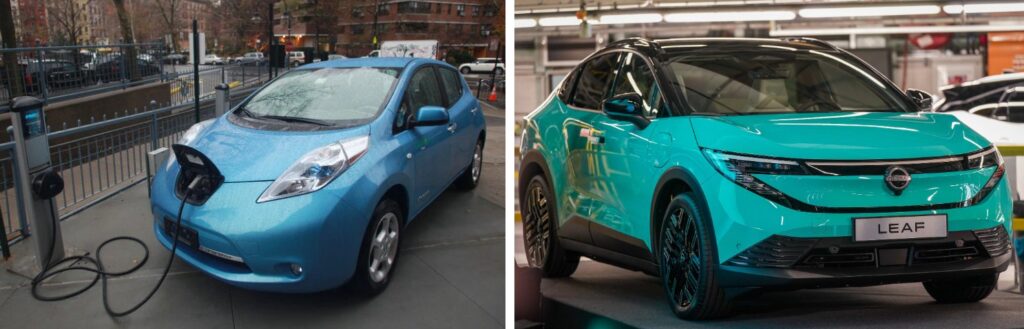
A useful way to understand this progress is through the metric of “miles per dollar.” Some 2026 models, such as the Nissan Leaf and Chevrolet Equinox EV, now deliver close to 9 miles of range per $1,000 of price, compared with less than 6 just a few years ago. This reflects a growing focus on efficiency and affordability rather than luxury features.
Despite broader market challenges, these high-range, lower-cost vehicles are performing relatively well. Some models have maintained steady sales or even grown, suggesting that consumers respond strongly to improved value.
Electric vehicles still face competition from gasoline cars, which often offer lower upfront costs and longer range per tank. However, operating expenses tell a different story. Over time, lower fuel and maintenance costs can make electric vehicles competitive or even cheaper.
Overall, the market is shifting toward practical, cost-effective electric mobility, where range is no longer reserved for premium buyers.
