

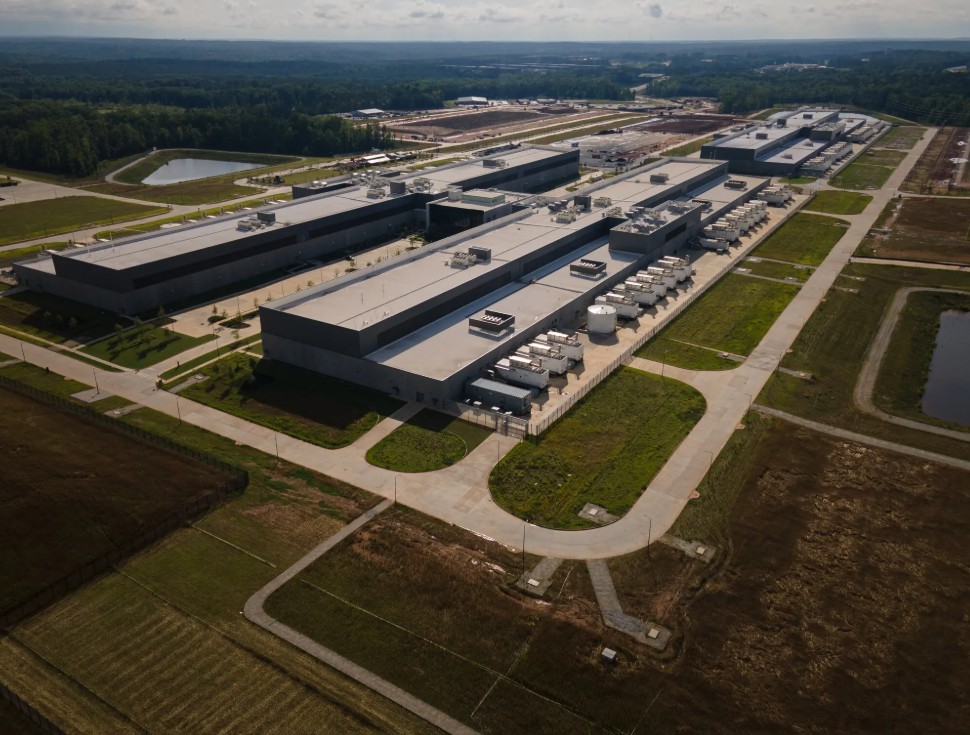
Microsoft entered the decade with an ambitious pledge to become water positive by 2030, promising to cut consumption, invest in restoration, and deploy conservation technologies across its growing network of data centers. The rapid rise of artificial intelligence has complicated that goal. Internal forecasts obtained by The New York Times show that the company expects water use to rise sharply as it builds and leases more facilities to support AI workloads, even after revising projections to account for efficiency gains.
Microsoft’s annual water use climbed from 7.9 billion liters in 2020 to 10.4 billion in 2024. Earlier internal projections suggested it could reach 28 billion liters by 2030, later revised to about 18 billion liters after design changes and better data. Those estimates still exclude major new deals and do not capture the indirect water used to generate electricity for data centers, which experts say could multiply the true footprint several times over.
The burden is most visible in water-stressed regions. Company projections showed heavy demand near Jakarta, Phoenix, and Pune, areas already facing shortages and infrastructure challenges. Although Microsoft has lowered some location-specific forecasts, it has offered limited explanation for the changes, and disclosure rules allow companies wide latitude in what they report. Former employees say water considerations historically ranked below cost, speed, and power availability in site planning, with environmental concerns often addressed after key decisions were made.
The broader trend extends beyond Microsoft. The AI boom is driving a surge in data center construction worldwide, doubling global capacity by 2030 and intensifying competition for water and electricity. While data centers account for a small share of national water use, their impact is acute in local communities where they often draw from municipal drinking supplies.
Microsoft maintains that it remains committed to replenishing more water than it consumes and has funded dozens of restoration projects. Yet its own environmental report acknowledges a shortage of viable initiatives in priority regions. The central tension remains unresolved: digital infrastructure is becoming essential to modern life, but its physical footprint is growing, forcing governments, companies, and communities to confront difficult trade-offs over resources, transparency, and long-term sustainability.
