

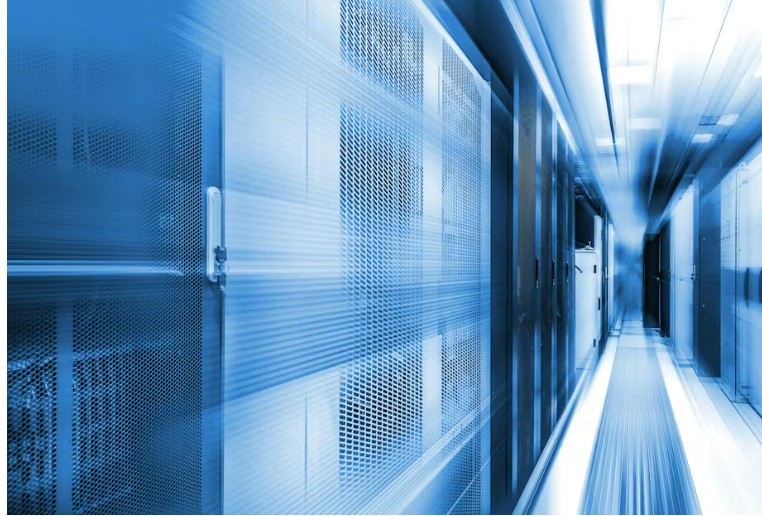
Data centers are facing an unprecedented power challenge as artificial intelligence workloads and high-performance computing become dominant drivers of demand. This Machine Design article states that rack power densities are rising rapidly, with modern systems drawing as much as 150 kilowatts per rack, and overall electricity consumption attributable to AI infrastructure is climbing alongside cloud-native services and enterprise computing growth. This surge forces data center designers and operators to rethink power delivery, cooling, and efficiency strategies to maintain uptime and manage costs.
C&D Technologies is one company applying artificial intelligence to ease these challenges by optimizing how data centers use, store, and redistribute power. AI-driven analytics can help manage workload scheduling to reduce peak stresses and align compute tasks with available energy resources. These systems also assist with managing power fluctuations and integrating energy storage, which enhances resilience and can lower operating costs. Using real-time data, AI can balance performance demands with efficiency goals, smoothing transient loads and reducing waste.
The evolving landscape of incentives and regulation is also influencing data center strategy. U.S. initiatives such as the Inflation Reduction Act and similar policies in the European Union are encouraging the construction of new facilities and modernization of existing ones, particularly in areas where renewable energy is abundant and cheaper power can be tapped. Those incentives help justify investments in AI-based optimization tools and infrastructure retrofits aimed at sustainability and long-term cost management.
As power demands continue to grow, cooling becomes a critical concern. AI models help predict thermal behavior and dynamically adjust cooling systems to match real-time conditions, reducing energy use and extending equipment life. Combined with integrated energy storage and predictive maintenance tools, these approaches point to a future where data centers are not only more capable but also more efficient and adaptable to evolving energy landscapes.
