

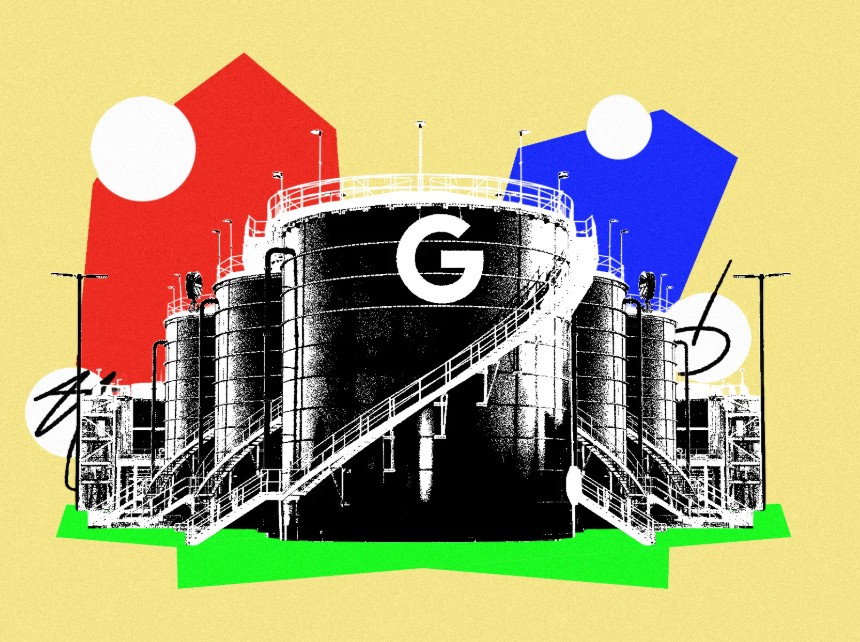
A new data center project backed by Google is exposing a widening tension between the tech industry’s climate ambitions and the energy demands of artificial intelligence. The facility, known as the Goodnight campus in Texas, is being developed with AI infrastructure firm Crusoe and will rely in part on a large on-site natural gas plant, tells Wired.com.
According to permitting documents, the gas turbines could emit more than 4.5 million tons of greenhouse gases annually, a footprint comparable to adding nearly a million gas-powered cars to the road. That level of emissions exceeds not only typical gas plants but even some coal-fired facilities, raising concerns about the environmental cost of scaling AI infrastructure.
The campus is designed with six buildings, four of which will connect to the electrical grid, while the remaining two are expected to draw power directly from the gas plant. Although Google has stated that no final gas contracts are in place, the project reflects a broader industry shift toward “behind-the-meter” energy systems, where companies generate power on-site to avoid grid bottlenecks.
This shift is being driven by the explosive growth of AI workloads. Data centers now require massive, continuous energy supplies that existing grids often cannot provide quickly enough. As a result, tech companies are increasingly turning to natural gas as a reliable, scalable solution, even as they continue investing in renewables such as wind and solar. The Goodnight campus, for example, is also expected to incorporate hundreds of megawatts of wind energy alongside its gas capacity.
The project underscores a deeper contradiction. Google has long positioned itself as a leader in clean energy, with commitments to operate on carbon-free power in the coming decade. Yet the realities of AI expansion are forcing compromises, revealing that even the most ambitious sustainability strategies may struggle to keep pace with the infrastructure demands of the AI era.
