

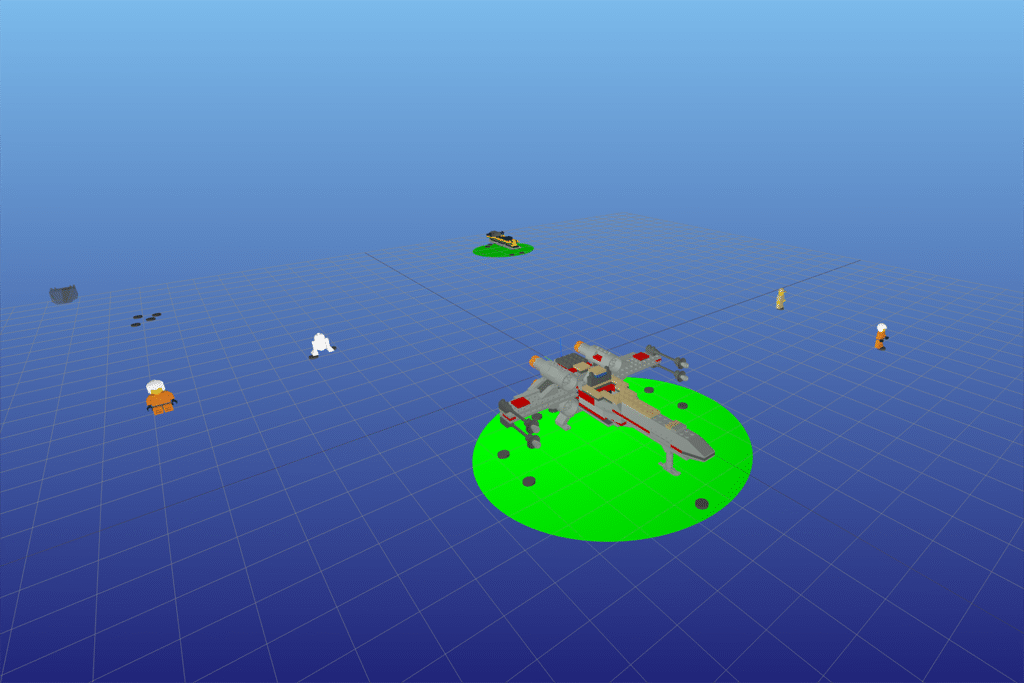
Stanford engineers have built an algorithm that changes how autonomous robots coordinate to assemble products. The aim is to break away from rigid production lines and enable factories to adapt more easily, handle custom designs, and speed up manufacturing, tells StanfordReport.
Given a product design, the algorithm breaks it into subassemblies that can be built in parallel. For example, different components are built separately, then combined; think “build the car door separately, then attach it to the body.”
The system takes into account how many robots are available, what their load capacity is, whether tasks need teamwork (for heavy or large parts), and plans how they should move around so they don’t collide. It also lays out the positions of assembly stations, assigns delivery paths, sequences tasks to reduce idle time, and optimizes overall workflow. It’s not sequential; it exploits parallel task execution whenever possible.
A large test case: the team ran the algorithm on a model of a Saturn V rocket (1,845 parts arranged into 306 subassemblies) using 250 robots. The planning took under three minutes.
They made their tool open-source. A simulator lets others test or tweak algorithms, impose constraints, or play with layouts. It’s also being used in educational setups; kids compete with robots to build a model airplane while learning in the process.
Why this matters?
Most factories are built around fixed assembly lines: once you set them up for a model or product, changing them is costly and time-intensive. This algorithmic approach could let manufacturers reconfigure lines quickly, adopt customization, and respond faster to changing product designs or demand. There are still challenges before real-world deployment, but this work lays important groundwork for flexible, robot-driven manufacturing.
