

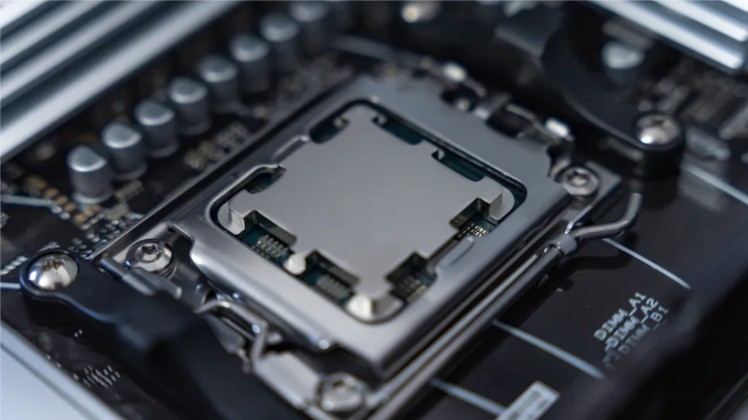
AMD has finally addressed a spate of AM5 socket failures that have plagued some Ryzen users. The culprit, according to AMD executives David McAfee and Travis Kirsch, lies not in flawed CPUs but in motherboard BIOS firmware, specifically versions that ignore AMD’s voltage and power guidelines. These unofficial tweaks, even if small, have led to severe issues, including physically “burned-out” sockets on motherboards like those from ASRock, tells Tom’s Hardware.
This problem became especially visible when numerous Ryzen 7 9800X3D users reported catastrophic failures, prompting ASRock to create a Reddit megathread to track the incidents.
ASRock’s updates didn’t fix everything at first. They initially blamed memory compatibility but later released BIOS version 3.25. This revision dialed back settings like Electrical Design Current (EDC), Thermal Design Current (TDC), and “shadow” voltages in AMD’s Precision Boost Overdrive (PBO), which finally reduced failure rates, though a few users still report ongoing issues.
AMD continues to call the situation complex, pointing out that the flexibility of their platform, supporting PBO, overclocking, and wide CPU–motherboard compatibility, creates risk when board partners push beyond defined limits.
In the meantime, AMD urges users to keep BIOS up to date and commits to working closely with motherboard partners to address the remaining risks.
This episode highlights a cautionary tale: when firmware ignores safe engineering defaults in pursuit of performance, hardware integrity suffers. If you’re building or updating an AM5 system, the wisest move is to stick with official BIOS releases and avoid pushing the envelope with unofficial tuning.
