

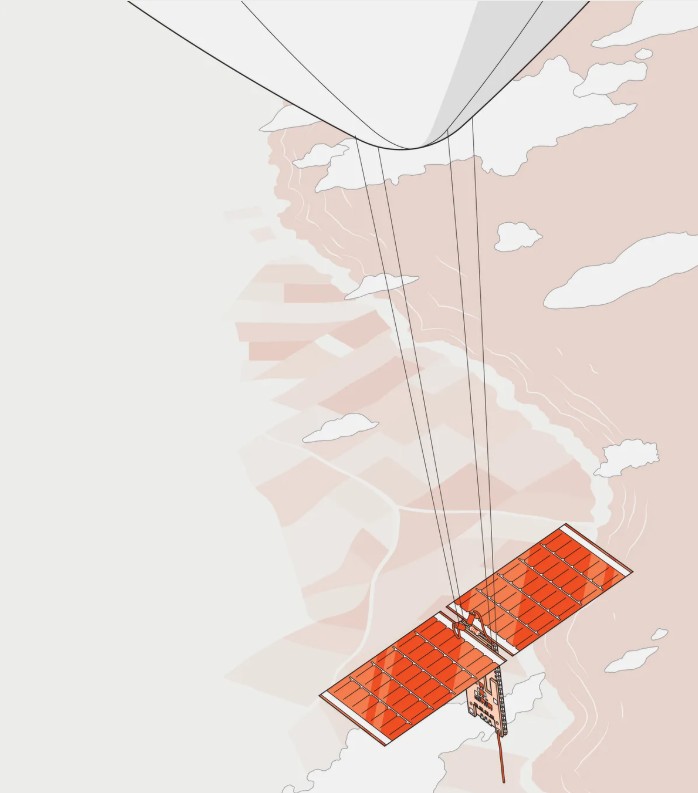
In the IEEE Spectrum article, an amateur radio and tech community trend is outlined: launching DIY pico balloons to explore the stratosphere on a shoestring budget. Unlike large weather or research balloons, pico balloons carry exceedingly light payloads, typically between 12 and 30 grams, so even a helium-filled party balloon can lift them aloft. Their tiny size means they don’t fall under the strict regulations that govern heavier free-floating balloons, and the cost to build and launch one runs about the same as a modest dinner.
One of the key enablers of this hobby is the use of Weak Signal Propagation Reporter (WSPR), a global amateur-radio network originally designed to map radio propagation conditions. Rather than sending telemetry through satellites, pico balloon builders attach a Raspberry Pi Pico microcontroller paired with a GPS unit and a low-power transmitter to the balloon. Solar panels power this electronics stack in the harsh stratospheric environment. As the balloon travels, ham radio operators around the world pick up its faint WSPR signals, less than 10 bits per minute, and report those receptions to the internet, which lets the hobbyist track the balloon’s position.
Superpressure balloon designs are especially interesting because they can float in the stratosphere for extended periods without bursting, potentially carrying their tiny payloads around the globe at altitudes that are otherwise challenging for amateurs to reach. Deployments reported by builders have reached tens of thousands of meters, including flights from North Carolina across the Atlantic toward the Mediterranean.
As a hands-on project, pico ballooning blends electronics, radio knowledge, and atmospheric science. It’s proving that near-space exploration doesn’t have to be prohibitively expensive, giving tinkerers and hobbyists a tangible way to send objects into the upper atmosphere and collect real-world data using off-the-shelf components and global ham-radio infrastructure.
