

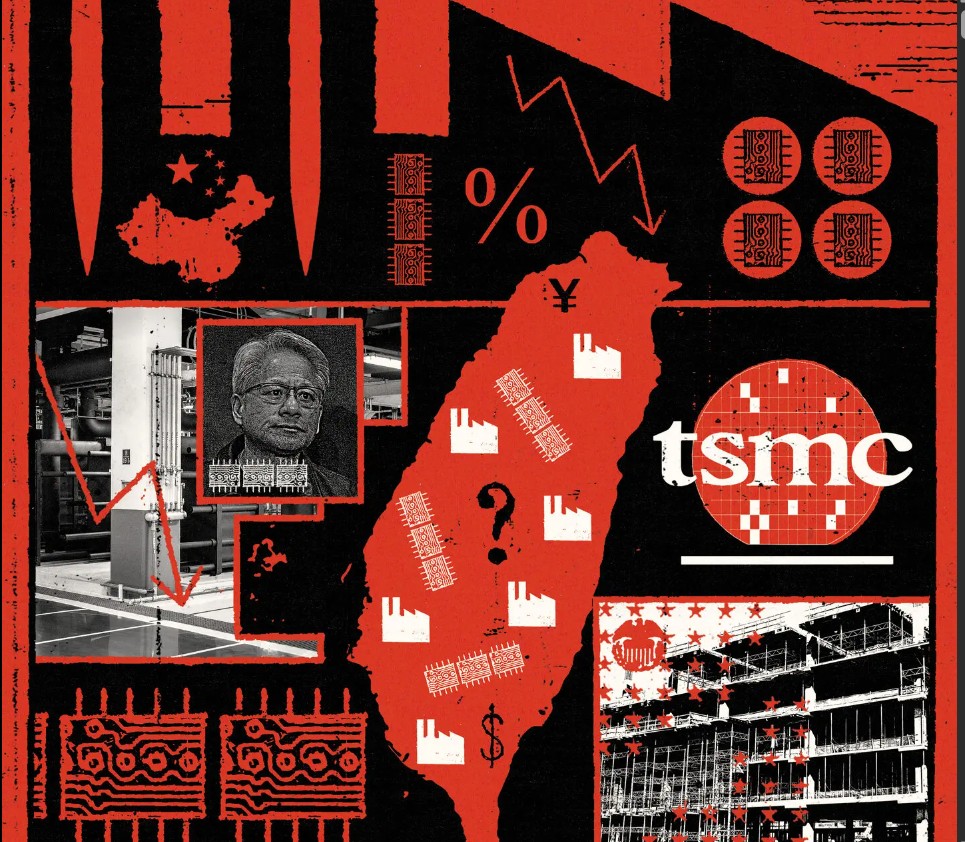
For years, U.S. officials have warned that America’s dependence on Taiwan for advanced semiconductors represents a profound economic and national security vulnerability. Taiwan produces the vast majority of the world’s leading-edge chips, which power smartphones, artificial intelligence systems, data centers, and critical infrastructure. Classified briefings under both the Biden and Trump administrations cautioned technology executives that a Chinese blockade or invasion of Taiwan could paralyze the global economy. A confidential 2022 industry report projected that cutting off Taiwanese supply would trigger the largest economic crisis since the Great Depression, slashing U.S. output by 11% and China’s by 16%, tells The New York Times.
Despite warnings, Silicon Valley was slow to act. Executives prioritized margins and market competition over geopolitical risk. U.S.-made chips cost more than 25% more to produce, and Taiwan Semiconductor Manufacturing Company remained technologically ahead of American rivals. Even after the CHIPS Act allocated $50 billion in subsidies to spur domestic production, manufacturers struggled to secure firm purchase commitments from major customers. Frustration led to escalating intervention. The Trump administration pivoted from subsidies to tariff threats, pressing companies to shift procurement to U.S. plants
TSMC expanded its Arizona investment by $100 billion, pledging additional factories. Intel, facing financial strain, negotiated federal support that included government equity participation. Technology leaders such as Apple, Nvidia, AMD, and Qualcomm committed to increased domestic manufacturing. Progress is tangible but incomplete. By 2030, U.S. capacity may rise significantly, yet Taiwan will remain central to advanced chip production. Even chips fabricated in Arizona often require final packaging in Taiwan.
Washington’s campaign has reshaped industrial policy, blending subsidies, tariffs, and diplomatic leverage. The deeper question remains unresolved: whether market incentives can align with national security imperatives before geopolitical events force the issue.
