

Large-format 3D printing promises to reshape construction, yet it brings a different set of physical constraints than small-scale additive manufacturing. As explored in this Develop 3D article, scaling up alters the behavior of materials, introducing challenges around structural stability, heat, and deformation that cannot be ignored.
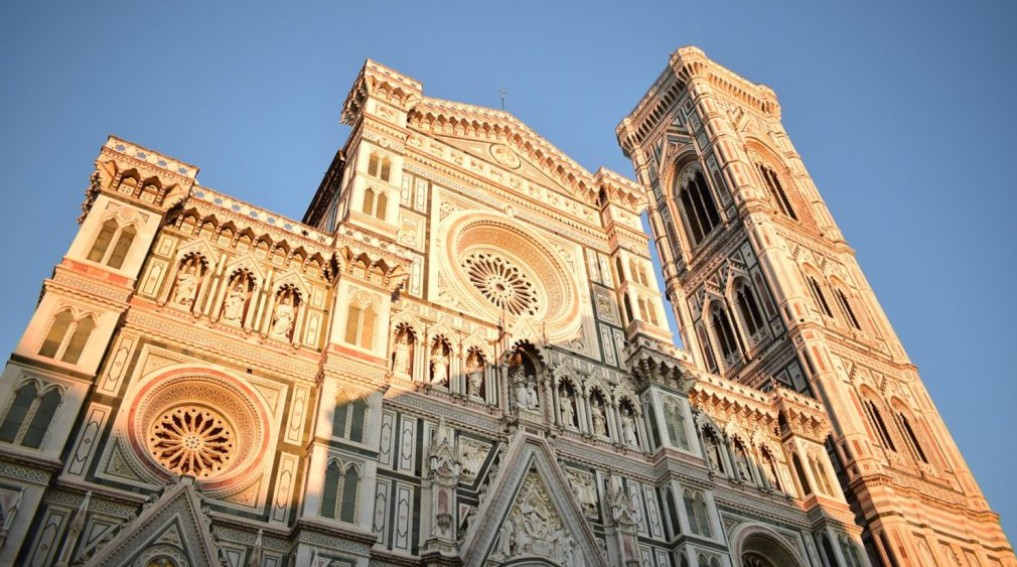
The article argues that solutions may already exist, not in modern engineering alone, but in centuries-old architectural practices. Historic structures, particularly those built with stone or masonry, rely heavily on compression rather than tension. Arches, vaults, and domes distribute loads efficiently, allowing buildings to endure for generations without reinforcement. These geometries offer a direct lesson for large-format printing, where layered materials often struggle under tensile stress.
Another key insight lies in material behavior. Traditional builders worked within strict material limits, shaping designs to suit what stone or brick could withstand. Similarly, large-scale 3D printing must respect the properties of extruded materials, especially during deposition and cooling. Ignoring these constraints leads to warping, weak bonding, or structural failure.
The article also critiques the tendency to default to simple rectilinear forms in printed construction. While easy to design and fabricate, box-like geometries do not take full advantage of additive manufacturing. Historic architecture demonstrates that complexity, when aligned with structural logic, can enhance strength and efficiency rather than complicate it.
Ultimately, the article frames large-format 3D printing as less of a purely digital revolution and more of a rediscovery. By revisiting principles embedded in historic architecture, engineers can design structures that are not only printable but also resilient and materially efficient. The path forward lies in combining modern fabrication with time-tested geometric intelligence.
