

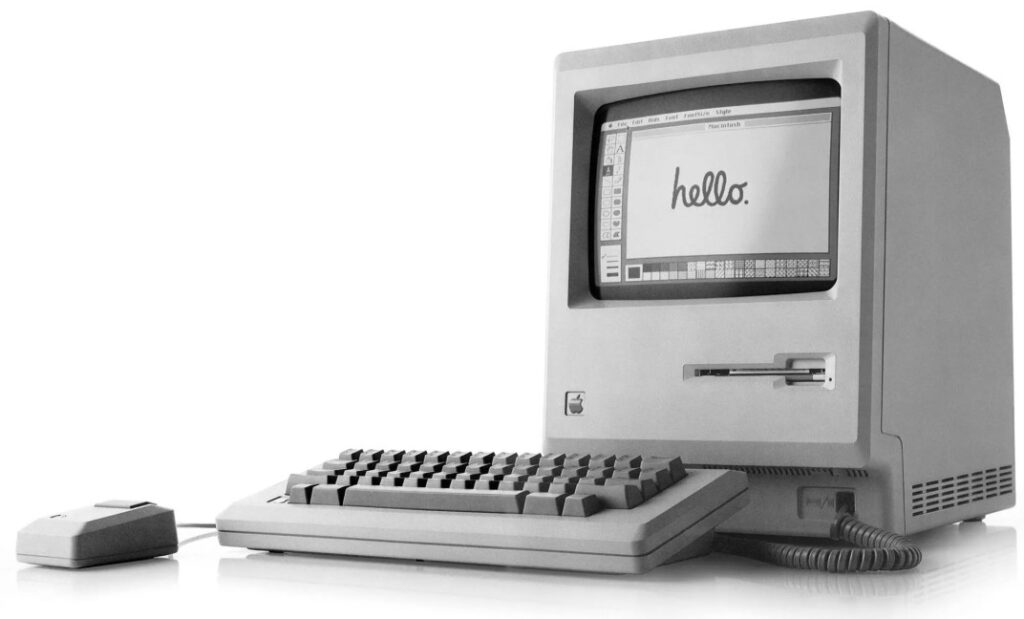
Apple’s leadership history traces the company’s transformation from a scrappy startup into one of the most influential technology firms in the world. Since its founding in the 1970s, each chief executive has played a distinct role in shaping its direction, culture, and market position.
The New York Times reports that Tim Cook, Apple’s longtime chief executive, would step down in September and be succeeded by John Ternus, the head of hardware engineering.
Here’s who has led Apple as chief executive through the years.
The first CEO, Michael Scott, was brought in to provide operational structure and manage the business side of a young company led by visionary founders. He focused on manufacturing and organizational discipline. Mike Markkula followed, combining technical insight with strategic guidance while helping refine early products such as the Apple II.
John Sculley, recruited from Pepsi, expanded Apple’s commercial reach during the 1980s, significantly increasing revenue. However, his tenure was marked by a power struggle with Steve Jobs that ultimately led to Jobs’s departure. The subsequent years under Michael Spindler and Gil Amelio were turbulent, as Apple struggled with declining market share, misjudged demand, and financial instability. Amelio initiated cost-cutting measures and made the pivotal decision to acquire NeXT, setting the stage for Jobs’s return.
Steve Jobs’s second tenure marked a turning point. He streamlined the company’s focus and introduced groundbreaking products such as the iMac, iPod, iPhone, and iPad, reshaping multiple industries and restoring Apple’s growth.
Tim Cook succeeded Jobs in 2011 and shifted the company toward operational excellence and scale. Under his leadership, Apple expanded its global supply chain, grew its services segment, and reached unprecedented market valuation and revenue levels.
Looking ahead, John Ternus is set to take over as CEO, signaling a new phase focused on hardware innovation and continuity. Apple’s leadership transitions highlight how different management styles and priorities have driven its evolution across decades.
