

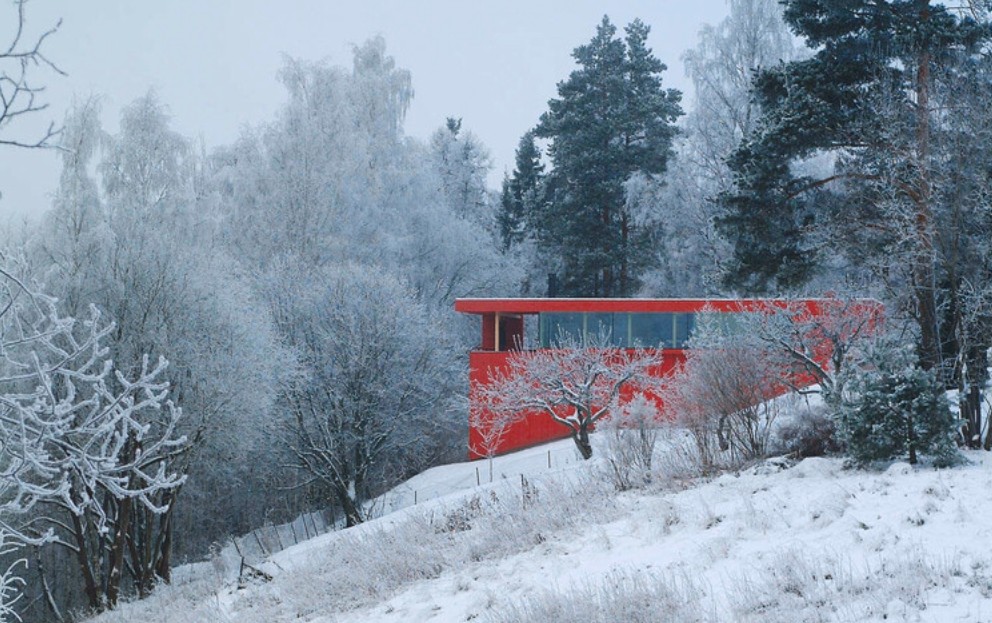
In environments that challenge human survival and material performance, architects must rethink conventional building methods to achieve safety, comfort, and durability. Extreme climates such as polar regions, deserts, maritime zones, wind-swept locations, and high-altitude sites expose structures to conditions that traditional designs rarely encounter, prompting a suite of tailored solutions that respond directly to environmental stresses, says Arch Daily.
In cold climates, severe frost, permafrost ground, and extreme temperature swings demand materials that retain strength and flexibility at low temperatures. Designers use reinforced concrete and specially treated steel to resist cracking, and prefabricated modules are assembled rapidly on site to reduce worker exposure to cold. Renewable systems such as geothermal heating tap subsurface heat for stable warmth, improving energy efficiency year-round.
In hot and arid regions, building envelopes must reflect heat and promote cooling. Lightweight frames, high-performance insulation, reflective coatings, and solar shielding glass reduce interior temperatures, while natural ventilation strategies lower dependence on mechanical air conditioning. Worker health considerations, such as protection from heatstroke, also shape construction planning.
Maritime environments pose corrosion challenges from salt-laden air and moisture. Architects specify corrosion-resistant metals such as stainless steel and aluminum and protective coatings such as epoxy or polyurethane to shield structures. Composite materials with inherent resistance to rust extend building lifespans without excessive maintenance.
In regions exposed to high winds and heavy rain, structural systems incorporate reinforced concrete, strong anchoring, impact-resistant openings, and robust drainage to prevent water infiltration and withstand forces. High-altitude sites bring extreme solar radiation, temperature fluctuations, and avalanche risks; designers use high thermal mass materials and advanced composites to balance insulation, resilience, and transport efficiency.
Across all contexts, material choice and construction strategies respond to natural hazards while striving for sustainability. By blending innovative techniques with renewable energy integration and modular assembly, architects create structures that endure nature’s harshest conditions without compromising long-term performance.
