

Arcol is repositioning its cloud-based BIM platform with a sharper focus on general contractors, signaling a shift in where value is created in construction workflows. The AEC Magazine article explains that rather than competing head-on with established architectural design tools, Arcol is targeting the coordination, planning, and execution phases where contractors operate and where inefficiencies are most acute.
The company’s approach builds on its core premise: BIM should be collaborative, browser-based, and accessible to all stakeholders in real time. Traditional BIM systems are largely file-based and centered on design authoring, often limiting collaboration and creating friction as projects move into construction. Arcol instead positions the model as a shared, continuously updated environment that supports decision-making across the entire project lifecycle.
For general contractors, this shift is significant. Their workflows depend on coordinating multiple disciplines, managing schedules, and responding to constant change on-site. Arcol aims to provide a live, data-driven workspace where teams can visualize project status, test scenarios, and make adjustments without the delays associated with file exchanges and fragmented tools. This aligns with broader industry challenges, where disconnected systems and manual processes continue to slow delivery and increase risk.
Another key element is the platform’s emphasis on cloud-native architecture. By operating entirely in the browser, Arcol removes barriers to access and enables simultaneous input from distributed teams. This mirrors trends seen in other collaborative software environments and reflects a broader push toward “BIM 2.0,” where data flows continuously rather than being locked into static files.
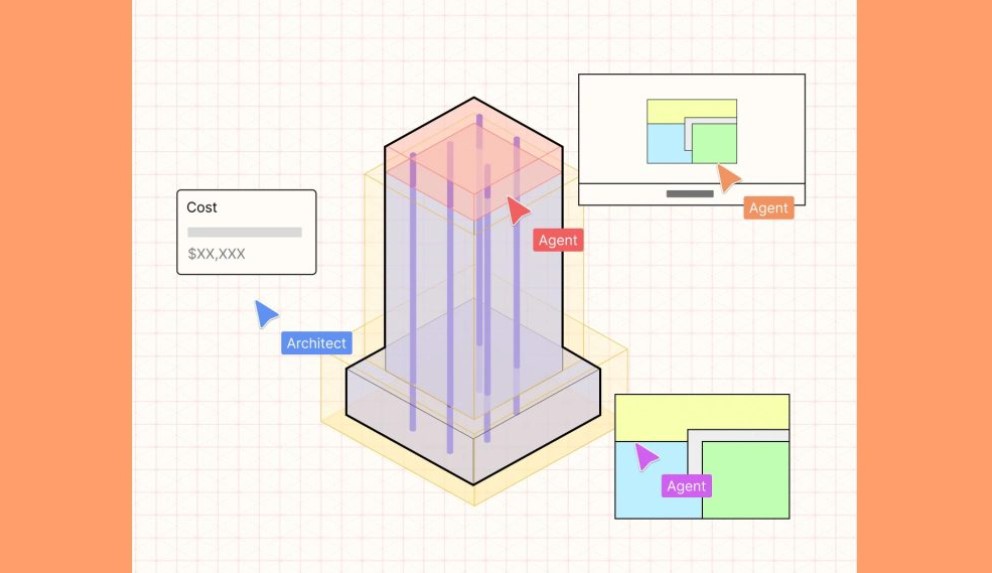
The strategy also hints at the growing role of AI and automation. As construction firms increasingly adopt data-driven tools, platforms such as Arcol could become central hubs for integrating analytics, simulation, and eventually agent-based workflows.
Overall, Arcol’s play is less about replacing existing design tools and more about redefining where BIM delivers value—moving it downstream to the construction phase, where coordination, speed, and real-time insight have the greatest impact.
