

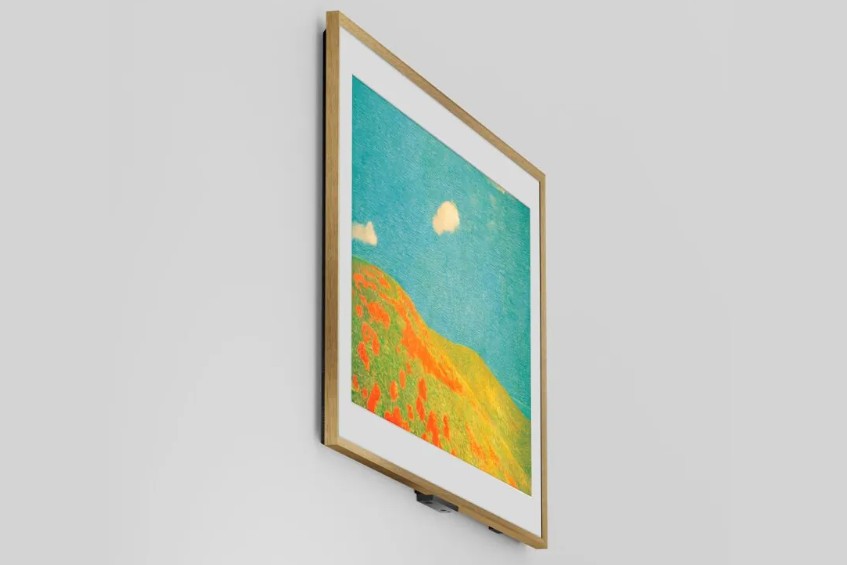
Televisions that double as art pieces are no longer a niche idea. Wired.com’s report on art-style TVs charts how the trend has moved from a curiosity to an expanding category at CES 2026, with more brands adopting designs that make a screen look like framed artwork when it’s not showing shows or movies. Samsung’s Frame TV sparked this movement when it launched in 2017 with a matte, anti-glare panel and picture-frame bezels that turned digital art into a convincing wall display. That design has resonated especially with buyers who live in smaller spaces and want furniture to perform aesthetically as well as functionally.
Other manufacturers are joining in. Hisense’s CanvasTV and TCL’s NXTvision models use similar matte screens to display art, and LG recently announced its Gallery TV, with thousands of visuals available through its Gallery+ service. Amazon’s Ember Artline, unveiled at CES 2026, adds Alexa-based art selection and a library of 2,000 artworks to the mix. These models maintain the slim profiles and minimal reflectivity needed to make digital art look natural on a wall.
Advances in screen technology are a big reason the category is growing. Matte finishes reduce glare and reflect light more like canvas than glass, while local dimming and ambient light adjustment make displayed art look more like a traditional painting. As this tech improves and becomes more common across brands, the illusion gets stronger.
Despite broader adoption, art-style TVs are still more expensive than regular smart displays and remain a design-first choice rather than a must-have for most buyers. Wired notes that their appeal is strongest among people who value decor as much as entertainment, and suggests that alternatives, like using a standard TV’s slideshow features to show artwork, can offer some of the same vibe without the premium price.
