

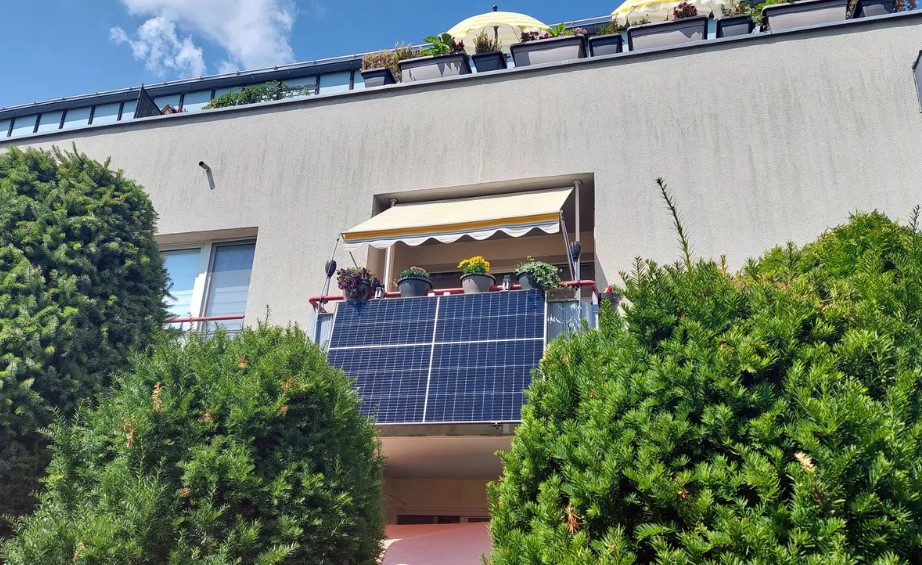
Plug-in solar systems, often called balcony solar, are emerging as a simple and affordable way to bring renewable energy to homes and apartments. Unlike traditional rooftop installations that require permits, professional installation, and significant investment, these compact photovoltaic systems plug directly into a standard household outlet. Their ease of use has driven rapid adoption in Europe, particularly in Germany, and the concept is now spreading quickly across the United States as more states legalize the technology, tells IEEE Spectrum.
The technology relies on small solar panels paired with microinverters that convert direct current into alternating current for household use. Residents can mount the panels on balconies, decks, fences, or backyards, allowing renters and homeowners alike to offset part of their electricity consumption without making permanent changes to their property. Germany has already deployed more than 2 gigawatts of balcony solar, with systems widely available through major retailers. Their popularity grew after rising energy prices encouraged consumers to seek lower-cost alternatives for reducing utility bills.
The United States is now following a similar path. States such as Utah, Colorado, and Virginia have legalized plug-in solar, while several others are considering comparable legislation. However, the rapid expansion has created a gap between legalization and technical regulation. Existing household electrical systems were not originally designed to accept electricity flowing back through standard outlets, raising concerns about electrical protection, grounding, and power outages.
To address these issues, engineers and standards organizations are developing new certification requirements, including UL 3700, which establishes safety rules for plug-in photovoltaic systems. These standards require manufacturers to protect against electrical faults, ensure systems shut down during grid outages, and prevent hazards to utility workers. Yet no commercially available products currently meet the complete certification because some required technologies are still under development.
Utilities generally support broader access to plug-in solar but stress the importance of customers registering their systems so grid operators can monitor connections and maintain reliability. Even so, experience in Germany suggests many owners install systems without registration, highlighting the need for regulations that prioritize both simplicity and safety. As standards mature, plug-in solar could become an accessible path to clean energy for millions of households that have long been excluded from conventional rooftop solar installations.
