

The latest Design News installment in the “Awesomely Interesting Electronic Projects for Beginners” series guides hobbyists through several accessible builds and techniques that deepen understanding of basic electronics. The focus in Part 15 is on integrating audio sensing, LED displays, and cleaner power supplies into breadboard projects with practical outcomes.
One core project sharpens an existing LED meter by refining its math so that the segments light evenly across the input range. That improved linear spacing makes the display easier to interpret and gives beginners a chance to dig into the relationship between analog input and digital output.
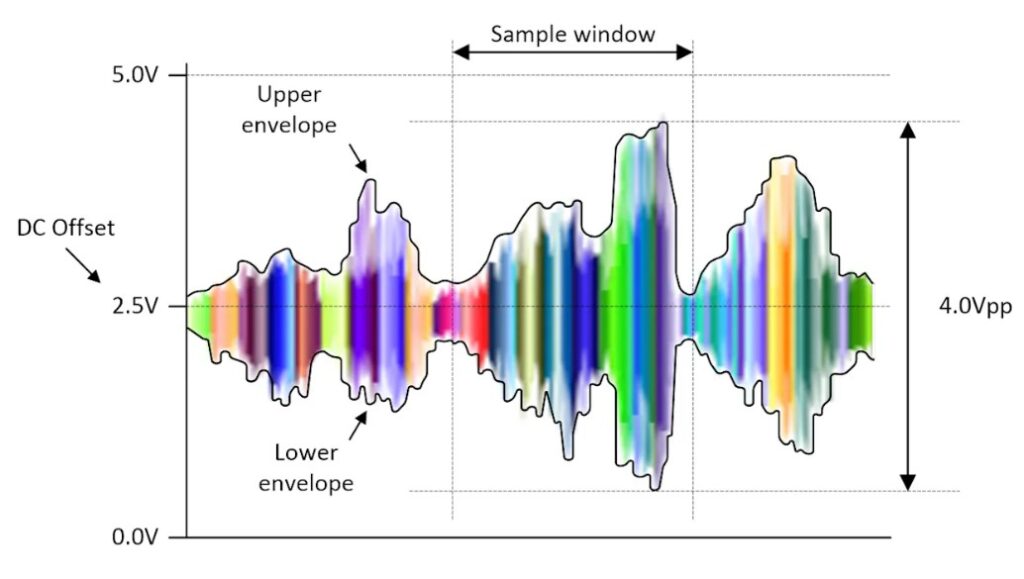
The article then adds an electret microphone to the breadboard setup and shows how to capture audio signals by sampling peak-to-peak values within a defined time window. This gives readers a simple way to measure sound and feed that data to an LED display or other visual feedback. Integrating audio sensing is a common DIY step that teaches signal conditioning, sampling techniques, and real-world sensor interfacing.
Another practical challenge discussed is dealing with unwanted mains hum on a USB power cord. Many beginners find noise from USB power feeds can distort analog measurements or light flicker. The article explains how identifying that noise and switching to a cleaner 9 V power supply can eliminate interference and improve circuit stability, an important lesson in power quality and its effects on electronic projects.
This article builds on earlier entries in the series and continues to mix hands-on assembly tips with deeper insights into measurement and control. Along the way, it gives hobbyists the confidence to expand beyond simple “blink-an-LED” builds into projects that incorporate sound input, display scaling, and power-supply awareness, all key foundations for more advanced work with microcontrollers, such as Arduino.
