

A partnership among the MIT Leaders for Global Operations (LGO) program, aerospace firm Boeing, and nonprofit Engineering Tomorrow is helping middle and high school students see what engineering careers look like beyond textbooks. The initiative aims to convert early interest in building and problem-solving into real potential career choices by exposing students to professional engineers and the environments where engineering happens, tells MIT News.
Engineering Tomorrow delivers free hands-on labs to students, working with mentors from the LGO alumni network at companies such as Boeing. These labs introduce key engineering ideas through guided, practical activities before students visit real manufacturing sites. Organizers emphasize that engineering isn’t a single narrow path, and that many students shy away from pursuing it because advanced math can feel intimidating. By bringing engineering to life early, they hope to widen the pipeline into the field amid a national worker shortage in technical and engineering roles.
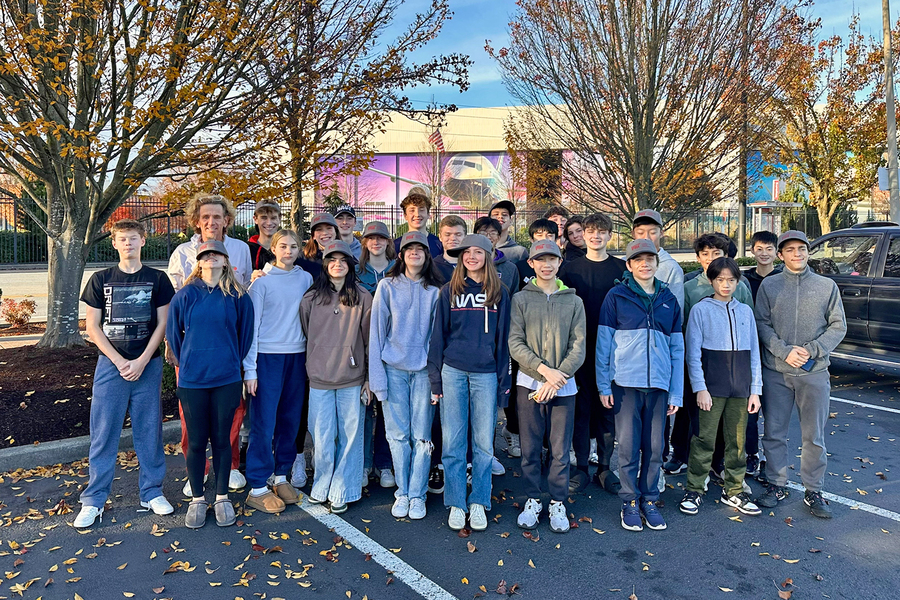
In November 2025, a group of ninth graders from Mercer Island High School in Washington state got a structured, multi-stage experience starting with online labs and ending with an on-site visit to a Boeing 737 assembly plant in Renton. Before they arrived at the factory, students learned about aerospace concepts and tackled a hands-on airplane-design challenge. Once on the floor, they met engineers across multiple disciplines, from mechanical and electrical engineering to manufacturing operations, gaining a clearer sense of the range of roles in engineering and production.
The experience was designed to be interactive and informative, not spectator-oriented. Students arrived equipped to ask informed questions and left with a firmer sense of what engineers do every day. For many, talking directly with professionals and seeing aircraft production up close made engineering feel attainable and exciting rather than abstract.
Organizers plan to expand the model to include additional industries such as health care and biotechnology, broadening the kinds of careers students can explore.
