

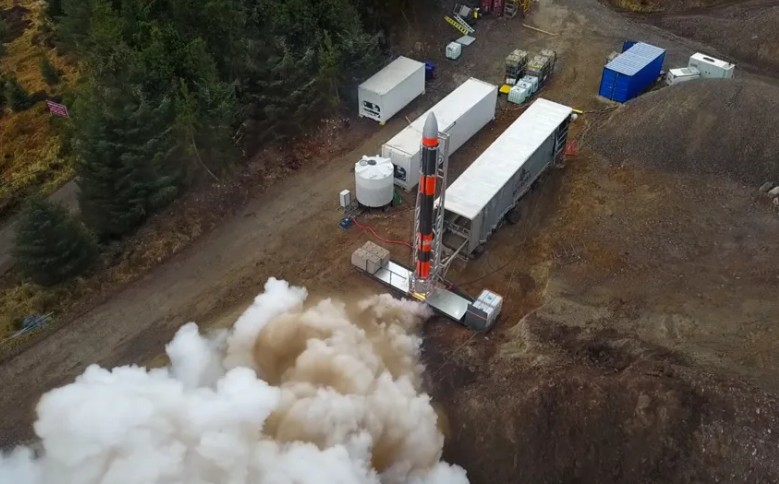
In a first for the United Kingdom, the Civil Aviation Authority (CAA) recently granted Skyrora a vertical launch license, authorizing suborbital missions from SaxaVord Spaceport in Shetland. The license covers the Skylark L rocket and permits up to 16 launches per year, marking a regulatory green light for sovereign launch from British soil, says The Engineer.
For U.K. space access, this is significant on two fronts: (1) it establishes a domestic launch operator licensed to fly from a U.K. range, and (2) it creates a pathway for Skyrora’s planned Skyrora XL orbital vehicle by proving safety, operations, and range coordination on U.K. turf.
However, near-term access is constrained by ground infrastructure. SaxaVord’s pads are fully booked through 2025, pushing any U.K. Skylark L attempt to 2026 at the earliest and forcing Skyrora to explore non-U.K. options in the interim (e.g., Australia or Norway). The CAA license is therefore necessary but not sufficient: pad availability and site readiness are now the pacing items.
SaxaVord previously secured its range and vertical-launch permissions and is permitted to host up to ~30 launches annually, positioning it as the United Kingdom’s principal vertical site. Skyrora’s allocation (up to 16) sits within that envelope.
The United Kingdom now has a licensed domestic launcher, but operational cadence depends on pad capacity and scheduling at SaxaVord. If those bottlenecks ease, the Skyrora license can translate into regular U.K.-based suborbital shots, de-risking operations ahead of home-grown orbital access later in the decade.
