

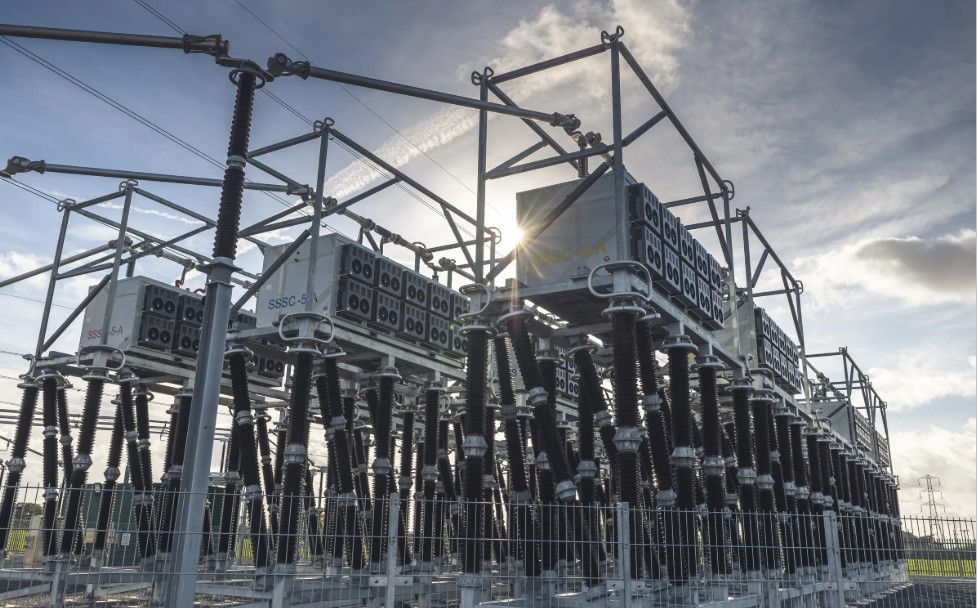
The United Kingdom is facing a growing problem that has little to do with generating renewable energy and everything to do with moving it. According to IEEE Spectrum, grid congestion has become one of the biggest obstacles to Britain’s clean-energy transition. Wind farms, solar projects, battery storage systems, and even data centers are piling up in connection queues, waiting years for permission to plug into the national grid.
The issue stems from a system designed for a different era. Britain’s electricity network was built around centralized fossil-fuel plants located close to population centers. Today’s energy landscape looks very different. Renewable generation is increasingly decentralized and often located far from cities, such as offshore wind farms in the North Sea or solar installations in rural regions. The existing grid lacks both capacity and flexibility to absorb this surge of new connections.
As a result, developers face long delays. Some projects are told they may not connect until the mid-2030s, even if the physical infrastructure could technically support them sooner. This backlog slows investment, raises costs, and puts climate targets at risk. Ironically, renewable energy is sometimes curtailed, deliberately shut off, because transmission lines are already overloaded.
The problem isn’t unique to the United Kingdom, but Britain’s situation is especially acute due to rapid renewable expansion and a rigid queue system that processes projects largely in the order they applied, not by readiness or system value. Regulators and grid operators are now under pressure to reform those rules.
Proposed solutions include prioritizing “shovel-ready” projects, accelerating grid upgrades, deploying smart grid technologies, and expanding battery storage to smooth supply and demand. Another idea is local flexibility markets, where consumers and businesses are paid to adjust usage during peak times, easing pressure on transmission lines.
Grid congestion may sound like a technical detail, but it has major consequences. Without faster reform, the United Kingdom risks wasting clean energy, delaying decarbonization, and undermining confidence in its energy transition. The challenge ahead is clear: building renewable power is no longer enough; the grid must catch up.
