

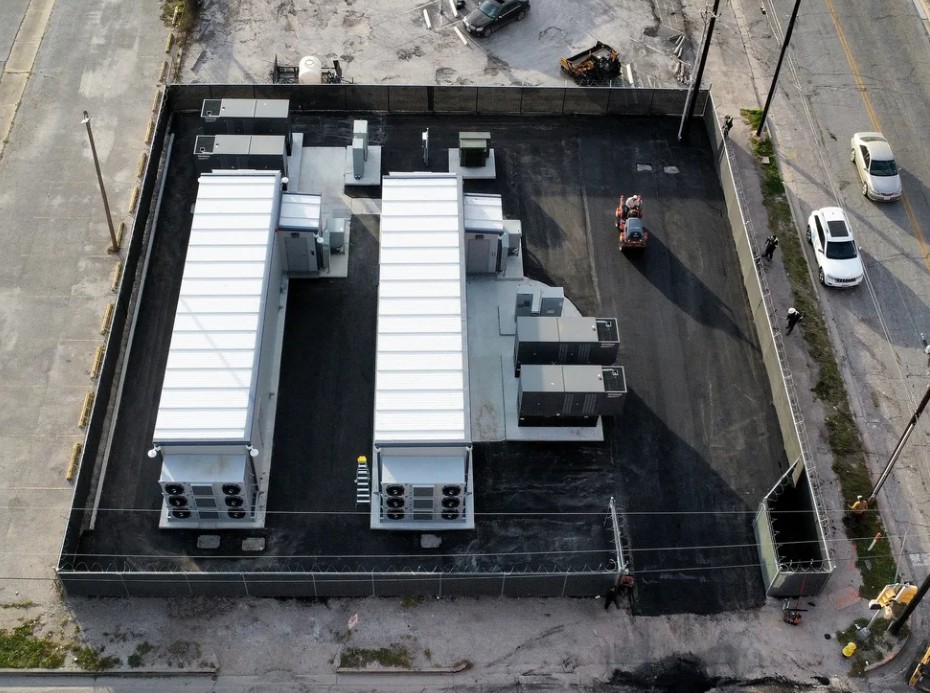
A growing wave of modular data centers is reshaping how digital infrastructure is built and deployed, as outlined in this IEEE Spectrum feature. Instead of constructing massive, permanent facilities, companies are increasingly turning to prefabricated systems that can be assembled quickly and scaled as needed.
These modular data centers are built in factories as self-contained units that integrate servers, cooling systems, and power infrastructure. Once completed, the modules are transported to a site and connected to form a functioning data center. This approach significantly reduces construction time compared to traditional builds, which can take years to complete.
Speed is a major driver behind this shift. The rapid expansion of cloud services and artificial intelligence workloads has created an urgent need for computing capacity. Modular systems allow operators to deploy infrastructure in months rather than years, helping them keep pace with demand. They also enable incremental expansion, meaning companies can add capacity step by step instead of committing to large-scale projects upfront.
Location flexibility is another advantage. Because modular units are compact and portable, they can be placed closer to users or near available energy sources. This supports edge computing and reduces latency while also allowing operators to take advantage of regions with surplus power.
However, the model introduces engineering challenges. Packing high-performance computing systems into smaller footprints requires careful management of heat and energy. Ensuring consistent performance across multiple modules and integrating them into a unified system are key concerns.
The article presents modular data centers as a shift in mindset rather than just a construction technique. By treating infrastructure as a collection of scalable units, companies can respond more dynamically to changing demands. As computing needs continue to grow, especially with AI, this modular approach is poised to play a central role in the future of data center design.
