

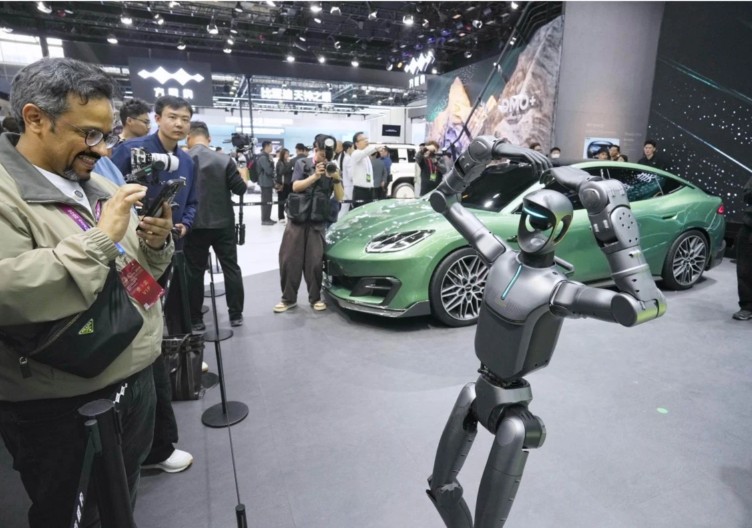
Chinese electric vehicle makers are accelerating their expansion into Europe, using advanced design, intelligent driving systems, and premium branding to challenge long-established automotive leaders. An article from the South China Morning Post describes how companies including BYD, Geely, and Xpeng used the 2026 Beijing auto show to demonstrate their global ambitions and attract increasingly selective European buyers.
The exhibition, the world’s largest car show, featured a broad range of electric sedans, SUVs, luxury models, and concept vehicles equipped with fast-charging batteries, AI-assisted driving technologies, and digitally integrated interiors. European visitors attending the event noted that Chinese brands are no longer competing primarily on low prices. Instead, they are focusing on design quality, performance, and software-driven user experiences aimed directly at premium European segments.
The article highlights that Europe has become an increasingly important destination for Chinese automakers, who are facing intense competition and shrinking margins at home. Domestic price wars in China have pushed manufacturers to seek stronger profits overseas, especially in regions where EV adoption continues to grow. Analysts cited in the report believe Chinese brands are now better prepared to adapt vehicles for local tastes rather than exporting models designed solely for the Chinese market.
Automakers are tailoring vehicle size, styling, suspension tuning, and digital features for European consumers. Some firms are also considering local manufacturing partnerships and assembly operations to navigate tariffs and trade barriers imposed by the European Union.
The broader shift reflects China’s growing influence in the global automotive industry. Once viewed mainly as low-cost manufacturers, Chinese EV companies are increasingly positioning themselves as technology leaders capable of competing with German, Japanese, and American brands on innovation, software integration, and luxury appeal.
